
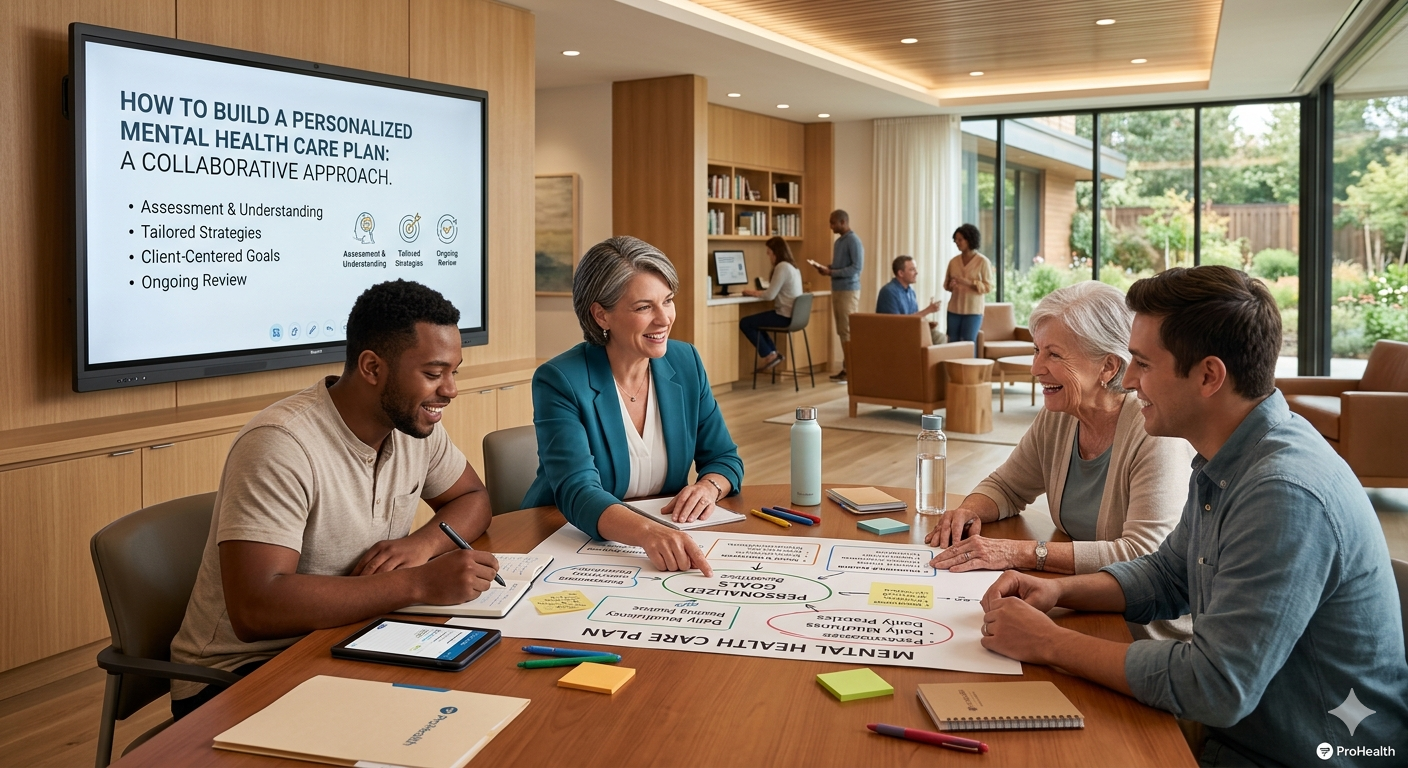
How effective can a personalized mental health plan truly be if it excludes the voices of those it aims to help? Recent studies indicate that integrating patient input through collaborative care significantly enhances treatment outcomes. As mental health awareness rises, developing a tailored approach that emphasizes patient-centered strategies is crucial for fostering effective mental well-being. In this guide, you will learn how to create a personalized mental health plan that prioritizes collaboration between patients and healthcare providers. We will explore the importance of mental health assessments, the role of patient engagement, and practical steps to implement a successful plan. By understanding these components, you can improve not only individual outcomes but also overall community mental health resilience.
1.0 Crafting Your Unique Mental Health Blueprint
This section delves into the crucial steps of assessing your mental health landscape. Understanding your current mental health status is the foundation of developing an effective personalized mental health plan. By embracing a collaborative approach, you can ensure that your plan is tailored to your unique needs.
1.1 Assessing Your Mental Health Landscape
A comprehensive mental health assessment is essential for creating a personalized mental health plan. Institutions like the Mayo Clinic emphasize the importance of understanding individual experiences and symptoms. They utilize standardized questionnaires alongside personal narratives to gather a holistic view of a patient’s mental health. Research indicates that patient-centered strategies can increase treatment adherence by up to 70% (Cleveland Clinic). To build your personalized plan, start by collaborating with mental health professionals to identify your specific challenges and goals. Engage in regular check-ins to assess progress and adjust your strategy as needed. Resources such as How Trauma-Informed Care Transforms Mental Health Treatment can guide you in adopting a patient-centered approach.
1.2 Defining Personal Goals and Aspirations
Establishing clear personal goals is a pivotal step in crafting an effective mental health care strategy. For instance, Kaiser Permanente emphasizes patient-centered strategies that encourage individuals to outline their aspirations. This approach not only empowers patients but also fosters engagement in their treatment journey. A study found that patients who set specific, measurable goals reported a 30% improvement in their mental health outcomes compared to those without defined objectives. To define your goals, start by conducting a thorough mental health assessment.
Reflect on what you want to achieve-whether it’s reducing anxiety, improving relationships, or enhancing overall well-being. Collaborate with your mental health provider to ensure these goals are realistic and aligned with your treatment plan. Incorporating feedback from professionals can lead to more effective strategies tailored to your unique needs. For additional insights into integrating collaborative care into your mental health regimen, explore our article on Five Innovative Approaches to Integrating Telehealth in Psychiatric Care.
2.0 Collaborative Care: Partnering for Progress
Collaborative care is essential for developing a personalized mental health plan. By integrating input from various stakeholders, including healthcare providers, patients, and families, you can create a more effective strategy that addresses unique needs and preferences.
2.1 Building Your Support Team
Building a support team is crucial for effective mental health management. The Cleveland Clinic emphasizes the importance of a multidisciplinary approach, combining psychiatrists, psychologists, and social workers to ensure comprehensive care. This team collaborates to conduct thorough mental health assessments, tailoring interventions to individual circumstances. – Engaging family members can enhance treatment adherence and emotional support.
- Incorporating technology, such as telehealth, allows for ongoing communication and adjustments to the personalized mental health plan. A study from the Mayo Clinic found that patients involved in collaborative care reported a 30% improvement in symptoms over six months compared to traditional methods. Consider reaching out to professionals from various fields to form your support team and enhance your mental health journey.
2.2 Engaging in Active Communication
Active communication forms the backbone of effective collaborative care in mental health. It ensures that patients feel heard and that their unique needs are incorporated into their treatment plans. The Veterans Health Administration employs a comprehensive mental health assessment tool that encourages open dialogue between veterans and their healthcare providers. This approach has led to a reported 20% increase in patient satisfaction, highlighting the value of communication in care. To implement similar patient-centered strategies, mental health professionals should prioritize regular check-ins with clients, fostering an environment where they can share their concerns and preferences.
Encourage patients to express their thoughts on treatment options and involve them in decision-making. This not only empowers individuals but also leads to more tailored interventions. For further insights on facilitating patient engagement, consider exploring the Five Innovative Approaches to Integrating Telehealth in Psychiatric Care. By making communication a priority, providers can enhance the effectiveness of their collaborative care models significantly.
3.0 Implementing Integrative Therapy for Holistic Healing
This section discusses the importance of leveraging various therapeutic modalities to create a comprehensive mental health care strategy. By exploring different approaches, practitioners can tailor a personalized mental health plan that effectively addresses individual needs and promotes holistic healing.
3.1 Exploring Diverse Therapeutic Modalities
Creating a personalized mental health plan relies on a thorough understanding of diverse therapeutic modalities. The Mayo Clinic combines cognitive behavioral therapy (CBT) with mindfulness practices, demonstrating how integrating these techniques enhances patient outcomes. Research shows that patients utilizing both CBT and mindfulness report a 30% decrease in anxiety symptoms within three months. To build an effective plan, initiate a detailed mental health assessment, evaluating individual needs, preferences, and goals. Engage in collaborative care by fostering open communication with patients, ensuring they feel involved in their treatment journey. This approach not only empowers individuals but also enhances adherence to the plan. Explore Five Innovative Approaches to Integrating Telehealth in Psychiatric Care for additional strategies that can enrich your therapeutic offerings.
Conclusion
Creating a personalized mental health plan is essential for fostering mental well-being and resilience. By collaborating with mental health professionals and integrating individual needs, you can ensure a tailored approach that maximizes effectiveness and engagement in your care journey. Key Takeaways:
- Assess your unique mental health needs to identify specific goals.
- Engage with a mental health professional to develop a collaborative strategy.
- Regularly evaluate and adjust your plan based on progress and feedback. Challenge yourself to reflect on your current mental health strategies. Consider how a personalized approach could enhance your well-being. For further guidance, visit ProHealth Psychiatry and take the next step toward a healthier you.
Personalized Mental Health Plan: Frequently Asked Questions
1. How can I develop a personalized mental health plan using collaborative care methods?
Creating a personalized mental health plan involves integrating collaborative care methods such as involving various healthcare professionals. Start with a comprehensive mental health assessment to identify specific needs. A patient might work with a therapist, psychiatrist, and primary care provider to ensure all aspects of their mental health are addressed, leading to a more effective treatment strategy.
2. What are the key components of a personalized mental health plan?
A personalized mental health plan includes client-centered strategies that cater to individual needs, ensuring that treatment is tailored. Important components are thorough mental health assessments, defined goals, and specific therapeutic interventions, such as integrative therapy. Combining cognitive behavioral therapy with mindfulness practices can enhance the overall effectiveness of the treatment.
3. Why is a collaborative approach essential in creating a personalized mental health plan?
A collaborative approach is crucial because it ensures that multiple perspectives contribute to the patient’s care. Engaging various professionals facilitates comprehensive treatment. Research indicates that patients receiving collaborative care are 50% more likely to experience significant improvements in their mental health outcomes compared to those receiving traditional, isolated treatments (National Institutes of Health).
4. Can a personalized mental health plan be adjusted over time?
Absolutely, a personalized mental health plan is designed to be flexible and adaptable. Regular assessments allow for modifications based on progress and changing needs. If a patient shows improvement with one therapy but struggles with another, adjustments can be made to enhance effectiveness and align with their evolving treatment goals.
5. Which factors should be considered when assessing the need for a personalized mental health plan?
Factors to consider include the individual’s mental health history, current symptoms, and personal goals. A thorough mental health assessment should evaluate social support systems and lifestyle factors as well. Someone with a history of anxiety may require a more structured plan that includes coping strategies and stress management techniques tailored to their unique situation.
This content is for informational purposes only and does not replace professional medical advice.
