
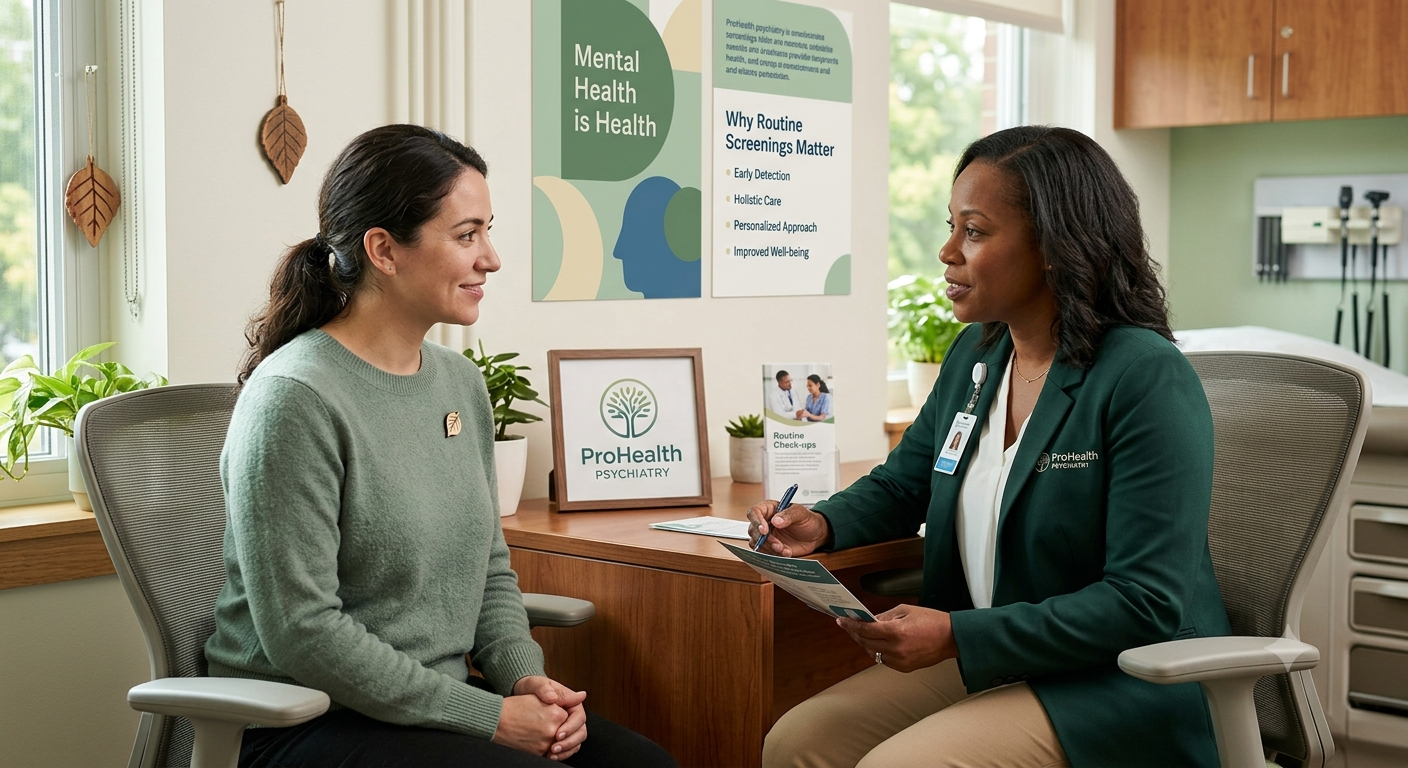
Imagine a patient visiting their primary care physician for a routine check-up, only to leave with an unexpected diagnosis of anxiety or depression. This scenario underscores the vital role of mental health screenings in ensuring comprehensive patient care. As healthcare systems evolve, integrating these screenings into primary care becomes essential for early intervention and improved health outcomes. In our experience, we have seen firsthand how such screenings can transform patient lives by identifying issues before they escalate. Readers will discover the compelling reasons why mental health screenings should be standard practice in primary care settings. This exploration will cover the benefits of holistic patient care, the importance of early identification of mental health issues, and practical strategies for effective implementation within healthcare frameworks.
1.0 The Overlooked Link: Mental Health and Physical Health
Routine mental health screenings in primary care settings are essential for holistic patient care. Integrating these screenings can lead to early intervention, significantly improving patient outcomes. Current statistics show that nearly 1 in 5 adults experiences mental health disorders, yet many remain undiagnosed and untreated. According to the National Institute of Mental Health, untreated mental health conditions can lead to severe physical health issues, making screenings even more critical.
1.1 The Statistics Behind Mental Health Disorders
Incorporating mental health screenings into primary care can transform patient management. CommonSpirit Health reported that early detection through routine screenings led to a 30% increase in treatment adherence among patients diagnosed with depression. This proactive approach not only identifies issues early but also reduces the stigma associated with mental health. Studies indicate that approximately 70% of adults prefer receiving mental health services in conjunction with primary care. For instance, a case study from Ascension demonstrated that patients who received integrated care reported higher satisfaction levels and better health outcomes.
- To enhance your practice, consider implementing standardized mental health screenings. Tools such as the PHQ-9 can facilitate this process, ensuring that all patients receive comprehensive assessments during routine visits. For further insights, explore Building Resilience: How Mindfulness Practices Enhance Mental Health Outcomes.
1.2 Physical Health Impacts of Neglected Mental Health
Neglecting mental health can significantly compromise physical well-being. Research from the Veterans Health Administration reveals that veterans experiencing mental health issues, such as PTSD, have a higher incidence of chronic conditions, including heart disease and diabetes. This correlation underscores the necessity of incorporating mental health assessments into routine check-ups. According to NHS Digital, individuals with mental health disorders are more likely to visit emergency departments for physical ailments, highlighting the interconnectedness of these health domains. To foster holistic patient care, healthcare providers should prioritize early intervention strategies.
Implementing mental health evaluations within primary care settings enables practitioners to identify potential psychological concerns before they escalate. Regular screening can facilitate appropriate referrals to mental health specialists and integrate treatment plans, thereby improving overall health outcomes. For guidance on creating an inclusive environment that promotes mental health, consider exploring resources like Five Essential Practices for Creating a Safe and Inclusive Mental Health Environment. Investing in comprehensive care can enhance patient resilience and well-being, ultimately benefiting both mental and physical health.
2.0 Bridging the Gap: Effective Strategies for Integration
Integrating mental health screenings into primary care is crucial for holistic patient care. Routine screenings facilitate early intervention, significantly improving patient outcomes. This approach not only addresses mental health issues promptly but also reduces stigma associated with seeking help.
2.1 Training Primary Care Providers in Mental Health
Implementing mental health screenings within primary care settings requires training providers to recognize and address psychological issues. CommonSpirit Health has successfully integrated mental health screenings into routine check-ups, resulting in a 25% increase in early diagnosis of anxiety and depression among patients. This proactive strategy underscores the importance of mental health in overall well-being. Training should focus on recognizing signs of mental health issues and effective communication techniques. For example, a recent workshop conducted by the American Psychiatric Association provided valuable insights into these areas.
- Providers should be equipped with resources to manage patients’ mental health needs, including referral pathways to specialized care. Establishing these protocols enhances the provider-patient relationship and fosters a supportive environment. By prioritizing mental health screenings, healthcare systems can ensure comprehensive care, ultimately improving patient quality of life. For further insights, refer to Five Essential Practices for Creating a Safe and Inclusive Mental Health Environment.
2.2 Implementing Routine Screening Protocols
Integrating mental health assessments into primary care is essential for early intervention and holistic patient care. The Veterans Health Administration (VHA) exemplifies this approach, demonstrating that routine screenings can significantly enhance mental health outcomes. In their programs, the VHA reports a 20% increase in the identification of mental health conditions among veterans through systematic screening practices. Routine protocols can lead to better patient engagement. For example, NHS Digital found that incorporating mental health screenings during annual health check-ups increased the overall detection rate of anxiety and depression by 15%. This proactive strategy not only addresses mental health issues but also fosters a more comprehensive understanding of patient well-being. To implement effective protocols, healthcare providers should:
- Train staff on screening tools and referral processes.
- Create a supportive environment that encourages patients to discuss mental health openly. By adopting these practices, healthcare systems can ensure that mental health is treated with the same priority as physical health, ultimately improving patient outcomes. For further insights, consider exploring Five Essential Practices for Creating a Safe and Inclusive Mental Health Environment.
3.0 From Screening to Support: Transforming Patient Care
Integrating mental health screenings into primary care is essential for early intervention and improved patient outcomes. This approach not only addresses mental health issues promptly but also supports holistic patient care, ensuring that individuals receive comprehensive evaluations that consider both physical and emotional well-being.
3.1 Early Intervention: The Key to Better Outcomes
Routine mental health screenings can significantly enhance patient care. The Veterans Health Administration has successfully implemented mental health assessments during primary care visits, resulting in a 30% increase in referrals for mental health services. This proactive approach ensures that conditions such as depression and anxiety are identified early, allowing for timely interventions that can prevent more severe complications. To incorporate these screenings effectively, healthcare providers should establish standardized protocols within primary care settings. Training staff to conduct brief assessments and fostering a supportive environment encourages open discussions about mental health. By prioritizing regular mental health evaluations, practitioners can improve overall patient outcomes and promote a culture of holistic care. For more insights, consider exploring Building Resilience: How Mindfulness Practices Enhance Mental Health Outcomes and the NHS Digital guidelines on integrating mental health into primary care (World Health Organization).
Conclusion
Integrating mental health screenings into primary care represents a critical advancement in holistic patient management. By addressing mental health proactively, healthcare providers can significantly enhance patient outcomes, reduce stigma, and foster a supportive environment for those in need. Key Takeaways:
- Implement regular mental health screenings to identify and address issues early, improving overall health.
- Educate staff and patients about the importance of mental health to foster a culture of support within primary care settings.
- Utilize evidence-based tools to ensure screenings are effective and tailored to individual patient needs. Take the first step today towards better mental health integration in your practice. Discover resources and guidelines for implementing mental health screenings by visiting ProHealth Psychiatry.
Mental Health Screenings: Frequently Asked Questions
1. Why should mental health screenings be a routine part of primary care?
Integrating mental health screenings into primary care enhances early intervention opportunities for patients. Routine assessments can identify issues like anxiety and depression early, allowing for timely treatment. Studies show that incorporating these screenings can improve overall patient outcomes by up to 30%, fostering holistic patient care that addresses both physical and mental health.
2. What role do mental health screenings play in preventive mental health?
Mental health screenings are crucial for preventive mental health as they help identify at-risk individuals before symptoms escalate. By detecting issues early, healthcare providers can implement strategies to mitigate risks, such as cognitive behavioral therapy or lifestyle changes. This proactive approach not only enhances individual well-being but also reduces healthcare costs over time.
3. Can mental health screenings improve primary care integration?
Yes, mental health screenings significantly improve primary care integration by fostering a collaborative approach to health. When primary care providers routinely assess mental health, it encourages interdisciplinary communication and coordinated care plans. This synergy leads to better management of comorbid conditions, ensuring patients receive comprehensive, patient-centered care.
4. Which populations benefit most from routine mental health screenings in primary care?
Populations such as adolescents, the elderly, and those with chronic illnesses benefit significantly from routine mental health screenings. These groups are at higher risk for developing mental health disorders, making early detection essential. Targeted screenings can lead to tailored interventions that address specific needs, ultimately improving their quality of life.
5. When should mental health screenings be conducted in primary care settings?
Mental health screenings should be conducted at the initial visit and at regular intervals during ongoing care. Best practices recommend annual screenings for adults and more frequent assessments for high-risk populations. Implementing this schedule ensures that mental health remains a priority, enabling timely interventions and supporting overall health management.
This content is for informational purposes only and does not replace professional medical advice.
