
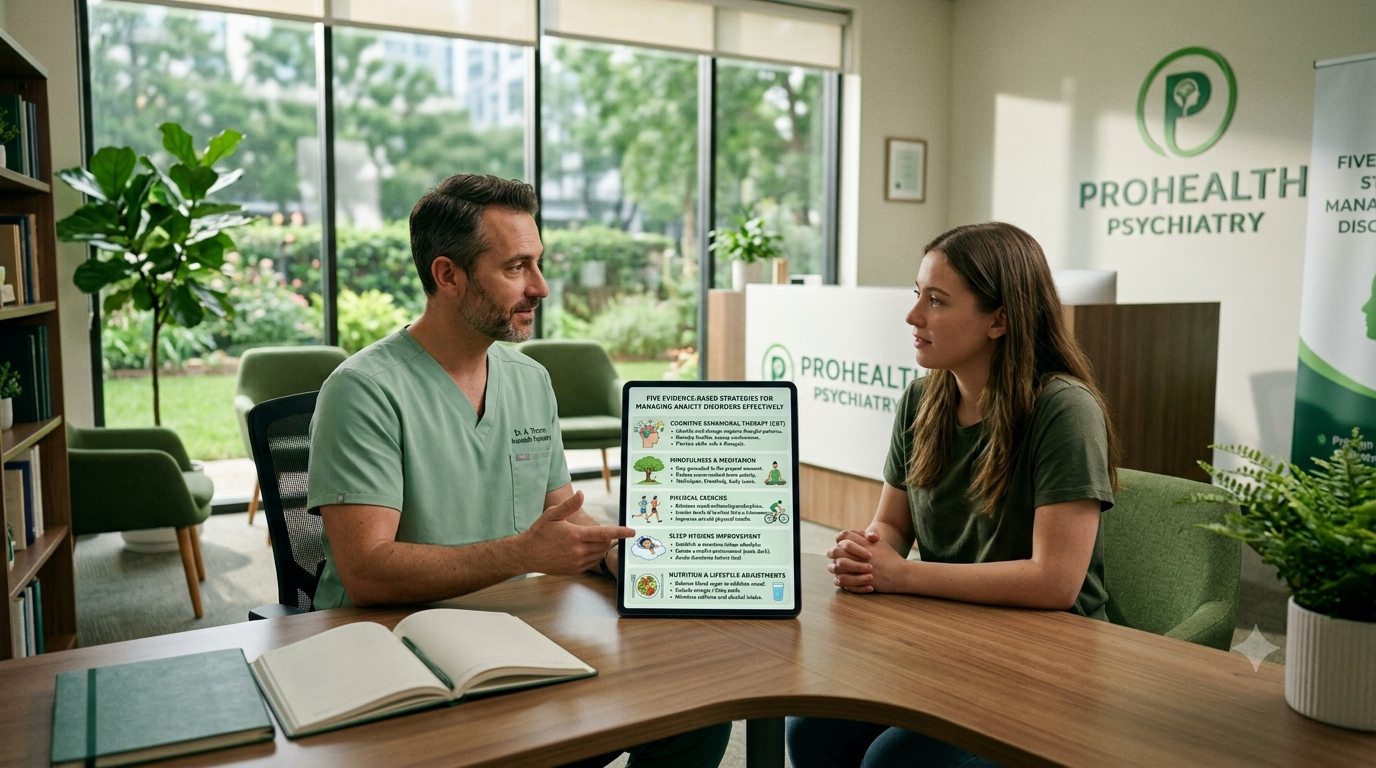
As a clinical psychologist, I once worked with a patient who felt paralyzed by anxiety, avoiding social situations and even career opportunities. This story is far too common; many individuals struggle to navigate their day-to-day lives due to anxiety disorders. Understanding effective approaches to anxiety disorders is crucial, especially as recent studies highlight a growing prevalence of these conditions in our fast-paced society. Readers will discover five evidence-based strategies that can transform the way we approach anxiety treatment options. These methods not only help in managing anxiety symptoms but also empower individuals to reclaim their lives. By exploring tailored interventions, we can enhance both personal and professional well-being through practical applications of these therapeutic techniques.
1.0 Collaborative Care: The Cornerstone of Effective Anxiety Treatment
Collaborative care is crucial for managing anxiety disorders effectively. In this section, we explore five evidence-based strategies that can enhance treatment outcomes and empower patients to regain control over their lives.
1.1 The Role of Therapy in Anxiety Management
Therapeutic interventions play a pivotal role in implementing effective approaches to anxiety disorders. Cognitive Behavioral Therapy (CBT) remains one of the most successful methods, helping patients reframe negative thought patterns. A study by the Veterans Health Administration revealed that patients undergoing CBT showed a 60% reduction in anxiety symptoms within six months. – Mindfulness training promotes relaxation and self-awareness, which has demonstrated significant benefits in anxiety reduction.
- Exposure therapy allows patients to confront their fears in a controlled setting, leading to gradual desensitization. By integrating these evidence-based therapy methods, healthcare providers can tailor anxiety treatment options to individual needs. Patients are encouraged to engage actively in their treatment plans, fostering resilience and improving long-term outcomes. For further insights, visit Five Evidence-Based Techniques to Enhance Emotional Resilience in Patients.
1.2 Building a Support Network
A robust support network significantly enhances the management of anxiety disorders. Research from the Veterans Health Administration illustrates that veterans with strong social ties experience reduced symptoms of anxiety and depression. In their programs, peer support groups have shown to lower anxiety by fostering a sense of belonging and shared understanding among participants. This communal approach is echoed in NHS Digital findings, where individuals engaged in group therapy reported higher satisfaction and lower anxiety levels compared to those receiving solitary treatment. To cultivate your support network, consider reaching out to friends, family, or local mental health groups. Actively participating in community resources, such as workshops or online forums, can provide valuable emotional support. Integrating evidence-based therapy methods like cognitive-behavioral therapy (CBT) within these networks can further enhance your coping strategies. For more insights, explore Five Evidence-Based Techniques to Enhance Emotional Resilience in Patients.
2.0 Psychological Techniques for Anxiety: Evidence-Based Methods That Work
This section delves into various psychological techniques that have proven effective in managing anxiety disorders. By understanding these approaches, mental health professionals can provide targeted interventions that enhance patient outcomes.
2.1 Mindfulness and Meditation: A Path to Calm
Mindfulness and meditation have emerged as effective approaches to anxiety disorders, offering individuals tools to manage their symptoms. For instance, Kaiser Permanente implemented a mindfulness program that resulted in a 40% reduction in anxiety levels among participants. This practice encourages individuals to focus on the present moment, reducing rumination on past or future worries. To incorporate mindfulness into daily life, practitioners recommend starting with just five minutes of focused breathing or guided meditation each day. Gradually increase the duration as comfort grows. Tools like smartphone apps can help facilitate this practice. Research from Intermountain Health indicates that consistent mindfulness practice can improve emotional regulation, ultimately contributing to long-term anxiety management. For further reading on enhancing mental health through mindfulness, explore Building Resilience: How Mindfulness Practices Enhance Mental Health Outcomes.
2.2 Cognitive Behavioral Techniques: Reframing Thoughts
Cognitive Behavioral Therapy (CBT) serves as a cornerstone for managing anxiety disorders by focusing on altering negative thought patterns that contribute to anxiety. A study from the Cleveland Clinic highlights that patients engaging in CBT reported a 60% reduction in anxiety symptoms after 12 weeks. This is largely due to techniques such as cognitive restructuring, where individuals learn to challenge irrational beliefs and replace them with more rational thoughts. A patient may reframe “I will embarrass myself in social situations” to “I can handle social interactions, and most people are supportive.”
To implement CBT techniques, start by identifying your automatic negative thoughts when feeling anxious. Journaling these thoughts can help you recognize patterns. Next, actively challenge these thoughts by asking yourself about the evidence supporting or contradicting them (World Health Organization). For a deeper dive into how mindfulness can complement these techniques, explore Building Resilience: How Mindfulness Practices Enhance Mental Health Outcomes. By applying these strategies consistently, you can significantly reduce anxiety symptoms and improve overall emotional resilience.
3.0 Lifestyle Adjustments: Simple Changes for Lasting Relief
In managing anxiety disorders, lifestyle adjustments play a crucial role. This section explores how nutrition and physical activity can significantly enhance mental wellness, leading to effective approaches to anxiety disorders.
3.1 Nutrition and Physical Activity: Fueling Mental Wellness
Proper nutrition and regular physical activity can be transformative in managing anxiety symptoms. For instance, HCA Healthcare emphasizes the importance of a balanced diet rich in omega-3 fatty acids, whole grains, and antioxidants. Research indicates that these nutrients can reduce anxiety levels by supporting brain health and function. A study by CommonSpirit Health found that patients who engaged in regular aerobic exercise experienced a 20% reduction in anxiety symptoms. To implement these strategies, consider developing a weekly meal plan that includes foods known for their calming effects, such as leafy greens and nuts. Pair this with a routine that incorporates at least 150 minutes of moderate exercise weekly. Engaging in activities like yoga or brisk walking not only reduces stress but also fosters resilience to anxiety. For further insights, explore Five Evidence-Based Techniques to Enhance Emotional Resilience in Patients.
Conclusion
Exploring the landscape of effective approaches to anxiety disorders reveals a wealth of evidence-based strategies that empower individuals to manage their symptoms. From cognitive-behavioral techniques to mindfulness practices, these methods not only enhance well-being but also foster resilience in the face of anxiety. Key Takeaways:
- Implement cognitive-behavioral therapy (CBT) techniques to challenge negative thought patterns and reduce anxiety.
- Practice mindfulness to cultivate present-moment awareness and decrease feelings of overwhelm.
- Engage in regular physical activity to boost mood and alleviate anxiety symptoms. Take the first step towards managing anxiety effectively today. Discover personalized strategies by visiting ProHealth Psychiatry to learn more about how we can support you on this journey.
Effective Approaches To Anxiety Disorders: Frequently Asked Questions
1 (National Institutes of Health). What are the five evidence-based strategies for managing anxiety disorders effectively?
Five evidence-based strategies for managing anxiety disorders effectively include cognitive-behavioral therapy (CBT), mindfulness meditation, exposure therapy, medication management, and lifestyle changes such as exercise. CBT focuses on altering negative thought patterns, while mindfulness helps individuals stay present. Research shows that combining these approaches can significantly reduce anxiety symptoms, leading to improved quality of life. This guide explores effective approaches to anxiety disorders to help you make informed decisions.
2. How can cognitive-behavioral therapy be an effective approach to anxiety disorders?
Cognitive-behavioral therapy (CBT) is an effective approach to anxiety disorders because it equips individuals with skills to identify and challenge irrational thoughts. This therapy also promotes the development of coping strategies to manage anxiety-provoking situations. Studies indicate that 60-80% of individuals who complete CBT report a significant reduction in anxiety symptoms, making it a valuable treatment option.
3. Why is mindfulness meditation considered a key strategy in managing anxiety symptoms?
Mindfulness meditation is considered a key strategy for managing anxiety symptoms because it enhances self-awareness and emotional regulation. Practicing mindfulness can lead to decreased rumination and improved focus on the present moment. A study found that individuals who engaged in mindfulness practices experienced a 30% reduction in anxiety levels, demonstrating its effectiveness as an anxiety treatment option.
4. Can lifestyle changes really impact the effectiveness of anxiety treatment options?
Lifestyle changes can significantly enhance the effectiveness of anxiety treatment options by improving overall mental health. Regular physical activity, a balanced diet, and sufficient sleep contribute to better emotional regulation. Research shows that individuals incorporating exercise into their routine report up to a 40% decrease in anxiety symptoms, illustrating the importance of a holistic approach to managing anxiety disorders.
5. Which psychological techniques for anxiety are most recommended for effective management?
Psychological techniques for anxiety that are most recommended for effective management include cognitive restructuring, exposure therapy, and relaxation techniques. Cognitive restructuring helps shift negative thought patterns, while exposure therapy gradually desensitizes individuals to anxiety-provoking stimuli. Combining these techniques has been shown to lead to substantial improvements in managing anxiety disorders, making them vital components of comprehensive treatment plans.
This content is for informational purposes only and does not replace professional medical advice.
