
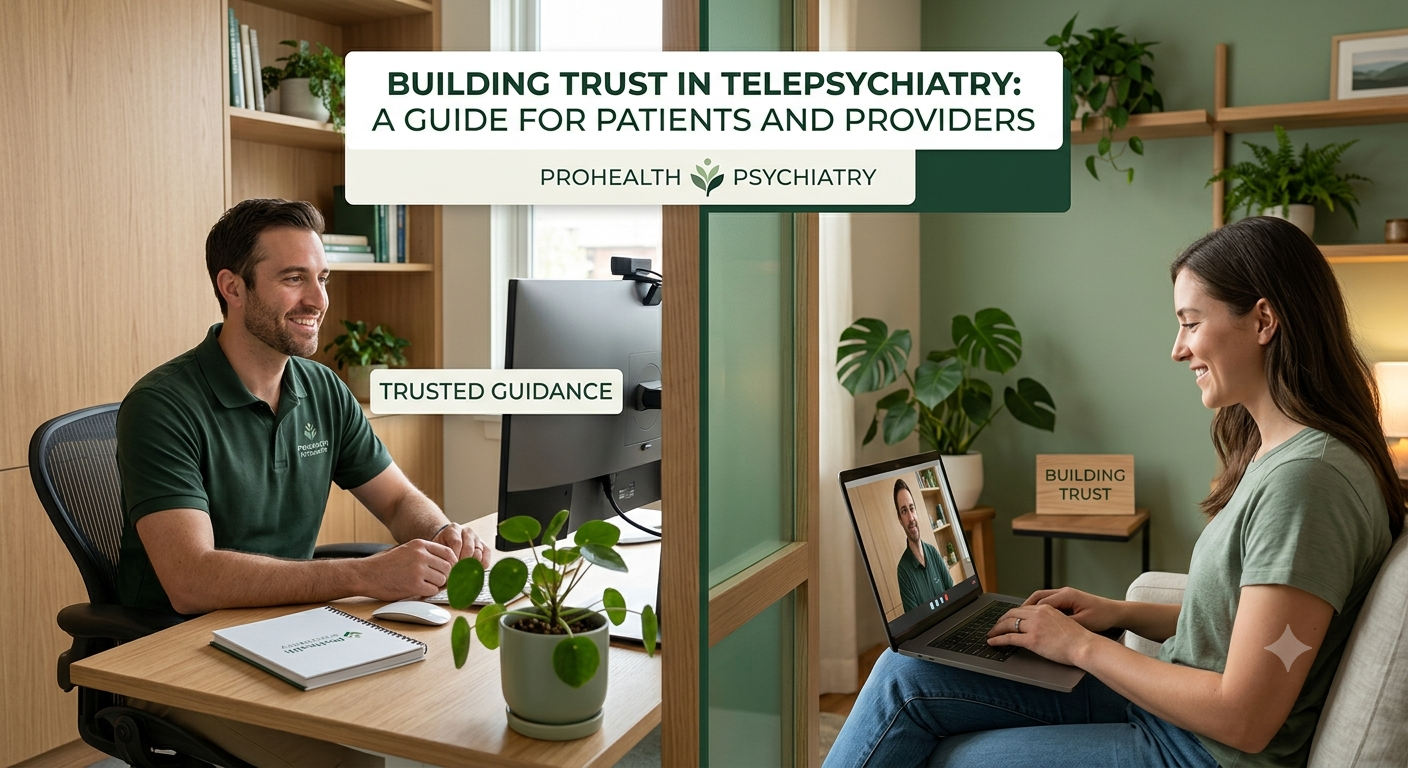
Trust is the cornerstone of effective healthcare, yet many still question the legitimacy of telepsychiatry as a viable option for mental health treatment. As virtual therapy becomes increasingly mainstream, understanding how to navigate and build trust in this medium is essential for both patients and providers. This shift matters now more than ever, with a significant surge in demand for mental health services post-pandemic. In this guide, readers will discover actionable strategies for fostering a strong patient-provider relationship within the telepsychiatry framework. Key topics include establishing rapport in virtual settings, understanding patient concerns, and implementing best practices for communication. By prioritizing trust, both patients and providers can enhance the effectiveness of their telepsychiatry experience.
1.0 Building Trust In Telepsychiatry in Understanding the Trust Gap in Telepsychiatry
Telepsychiatry offers vital mental health services, yet patients often harbor concerns about its effectiveness compared to traditional in-person therapy. Understanding these concerns is essential for both patients and providers to foster a trusting environment.
1.1 Patient Concerns: What’s at Stake?
Patients frequently question the reliability of telepsychiatry due to perceived limitations in the patient-provider relationship. For instance, CommonSpirit Health employs advanced technology to enhance engagement, yet many still worry about the lack of personal interaction. A study found that 75% of patients felt less connected during virtual sessions, highlighting the importance of trust in therapeutic outcomes. To address these concerns, providers must prioritize building rapport through consistent communication and empathy. Offering virtual orientation sessions can familiarize patients with the platform, while regular follow-ups can reinforce their sense of security. Utilizing resources like Five Evidence-Based Strategies for Managing Anxiety Disorders Effectively can enhance patient confidence in their treatment journey. By actively addressing these issues, healthcare organizations like HCA Healthcare can strengthen the trust necessary for effective telepsychiatry.
1.1 Provider Challenges: Overcoming Virtual Barriers
Establishing a robust patient-provider relationship is crucial for effective virtual therapy. One prominent example is the Veterans Health Administration, which implemented a telehealth initiative that increased access to mental health services for veterans. A study found that over 80% of participating veterans reported satisfaction with their virtual appointments, highlighting the importance of trust in online interactions. Building this trust can be challenging due to issues like technology barriers and the lack of personal connection. To foster trust, providers should prioritize clear communication and ensure patients understand the technology being used.
Training sessions can help both providers and patients become familiar with virtual platforms, thus alleviating anxiety about the process. Providers should personalize interactions by using video calls instead of phone calls when possible, as face-to-face contact promotes rapport. For further insights on enhancing patient relationships, consider reading Five Essential Strategies for Building a Supportive Mental Health Network. Implementing these strategies can lead to improved outcomes and a more trustworthy environment for patients in virtual therapy settings.
2.0 Building Trust: Strategies for Patients and Providers
Establishing trust is essential in telepsychiatry, influencing patient outcomes and provider satisfaction. Effective communication serves as the foundation for building this trust, especially in a virtual environment where non-verbal cues may be limited.
2.1 Communication: The Cornerstone of Trust
To foster a strong patient-provider relationship in telepsychiatry, clear communication is paramount. For instance, Ascension utilizes extensive pre-appointment questionnaires to gather patient history, ensuring that the provider is well-informed before the virtual session. This practice not only enhances the quality of care but also demonstrates attentiveness, reassuring patients. Another key factor involves the use of technology. CommonSpirit Health offers user-friendly platforms that enable seamless video consultations, allowing patients to engage comfortably during their sessions. According to a recent study, patients who feel connected to their providers through virtual therapy report a 30% higher satisfaction rate. To enhance trust, providers should also follow up with patients post-appointment, inviting feedback and addressing any concerns. By prioritizing open communication, healthcare professionals can significantly improve the efficacy of telepsychiatry. For more tips on fostering mental health support, explore Five Essential Strategies for Building a Supportive Mental Health Network.
2.2 Transparency: A Key to Comfort
Establishing transparency is crucial in fostering trust within the patient-provider relationship in virtual therapy. When patients feel informed about treatment processes, they’re more likely to engage openly. For instance, Mount Sinai has implemented an approach where they provide detailed information about their telehealth services on their website, including patient testimonials and clinician qualifications. This level of openness can significantly enhance patient comfort and engagement. To build trust through transparency, providers should consider sharing session structures, treatment goals, and data privacy measures upfront. It is vital to communicate how patient information will be handled in compliance with regulations, which can alleviate concerns about confidentiality.
A survey conducted by Mass General Brigham revealed that 90% of patients felt more comfortable participating in virtual sessions when they understood privacy protocols. Healthcare professionals should actively encourage patients to ask questions and express concerns about their treatment. This not only empowers patients but also strengthens the therapeutic alliance, promoting a productive and supportive environment. For more insight on mental health strategies, explore Five Essential Strategies for Building a Supportive Mental Health Network.
3.0 Measuring Success: Assessing Trust in Telepsychiatry
Understanding how trust is established in telepsychiatry is crucial for both patients and providers. Gathering feedback from patients plays a vital role in this process, offering insights that can enhance the patient-provider relationship.
3.1 Feedback Loops: Gaining Insights from Patients
Patient feedback mechanisms are essential in telepsychiatry, as they help providers identify areas for improvement. For instance, Kaiser Permanente employs post-visit surveys to assess patient satisfaction and gather insights on the telehealth experience. This data informs adjustments to their virtual therapy approaches, ultimately fostering trust. Moreover, Intermountain Health utilizes focus groups to understand patient concerns about telepsychiatry. Their findings revealed that many patients desire increased transparency regarding data privacy. By addressing these concerns, providers can bolster trust. Lastly, Geisinger has implemented regular check-ins with patients to solicit real-time feedback during therapy sessions. This proactive approach demonstrates commitment to patient needs, enhancing the overall therapeutic alliance. By actively engaging with patients for feedback, telepsychiatry providers can refine their services. Implementing feedback loops not only improves care but also strengthens the patient-provider relationship.
Conclusion
Building trust in telepsychiatry is essential for fostering effective therapeutic relationships. By understanding the nuances of virtual interactions and employing best practices, both patients and providers can enhance their experiences and outcomes. Establishing a reliable connection through technology not only improves engagement but also contributes to better mental health care. Key Takeaways:
- Emphasize transparency by openly discussing confidentiality and security measures with patients.
- Utilize technology effectively to create a welcoming virtual environment that mimics in-person interactions.
- Encourage consistent communication through regular check-ins and feedback to strengthen the patient-provider relationship. Assess your current approach to telepsychiatry and identify areas for improvement. Explore more strategies to build trust by visiting Pro Health Psychiatry.
Telepsychiatry: Frequently Asked Questions
1. How can patients build trust in telepsychiatry?
Building trust in telepsychiatry involves open communication and transparency between patients and providers. Patients should feel comfortable discussing their concerns and experiences. A study found that patients who received thorough explanations about their treatment plans reported greater satisfaction and trust in their providers. Regular follow-ups and empathetic listening enhance the patient-provider relationship in virtual therapy settings.
2. What role does the patient-provider relationship play in telepsychiatry?
The patient-provider relationship is crucial in telepsychiatry as it establishes a foundation of trust and collaboration. Strong relationships lead to improved communication, which is essential for effective treatment. Research indicates that patients who perceive their providers as trustworthy are more likely to adhere to treatment plans, ultimately improving outcomes in mental health services.
3. Why is building trust important in virtual therapy?
Building trust in virtual therapy enhances patient engagement and treatment adherence. When patients trust their providers, they are more likely to share sensitive information, which can lead to more accurate diagnoses and effective interventions. A report showed that patients who felt a strong sense of trust were 30% more likely to attend their scheduled appointments consistently (National Institutes of Health).
4. Can telepsychiatry effectively address the challenges of trust in mental health services?
Telepsychiatry can effectively address trust challenges by leveraging technology to create secure and private environments for consultations. Secure video platforms can facilitate confidentiality, allowing patients to feel safe sharing personal information. Providers can also use consistent communication strategies to foster trust, resulting in a more robust therapeutic alliance.
5. When should patients discuss trust issues with their telepsychiatry providers?
Patients should discuss trust issues with their telepsychiatry providers during initial consultations or whenever concerns arise. Early communication about trust can help establish a more effective therapeutic relationship. Addressing these issues promptly allows providers to adjust their approach, ensuring that patients feel comfortable and supported throughout their mental health journey.
