
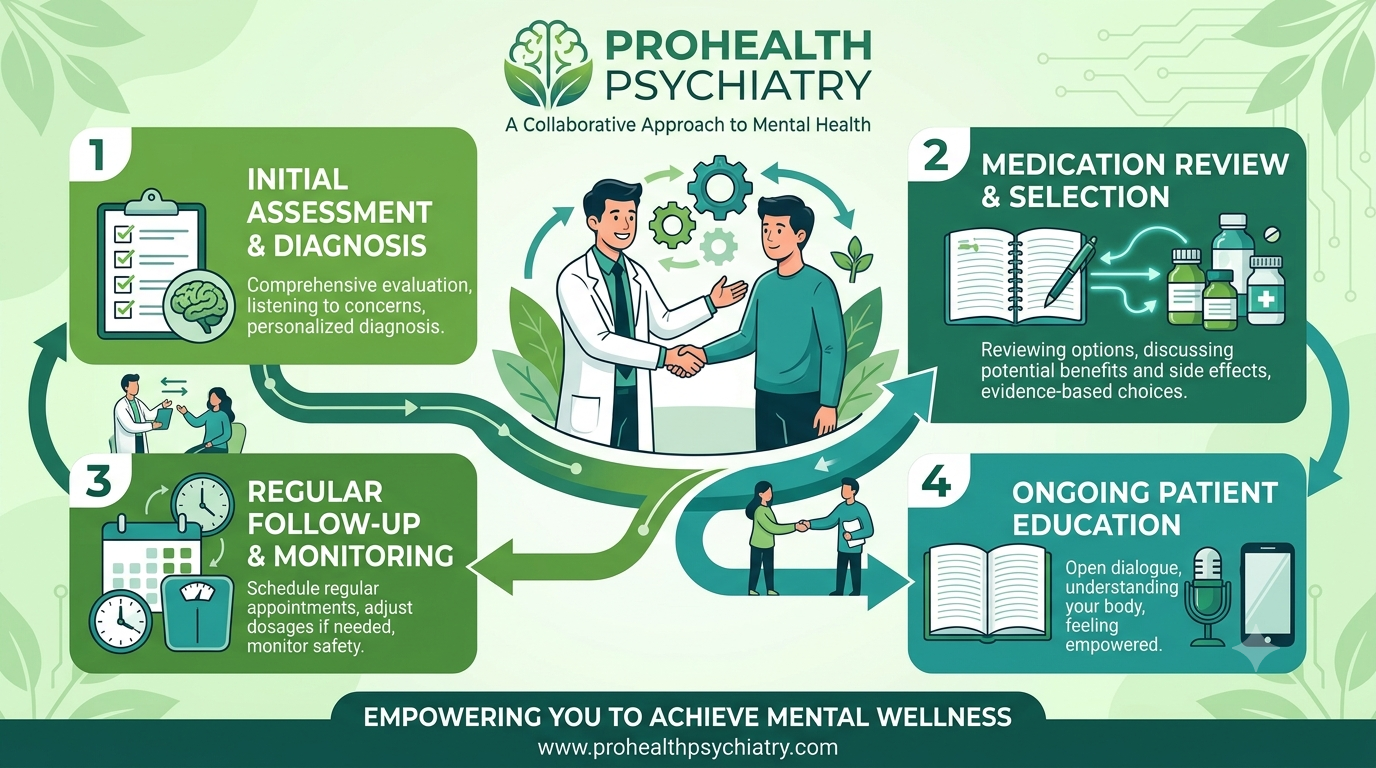
Imagine a busy psychiatric clinic where a patient arrives, clutching their medication list and feeling overwhelmed. The complexities of medication management can often lead to confusion and anxiety for individuals seeking mental health treatment. As the demand for effective psychiatric care grows, a collaborative approach to medication management is more crucial than ever to improve patient outcomes and satisfaction. In this article, you will discover how fostering patient collaboration enhances medication management and leads to more personalized mental health strategies. We’ll explore the importance of communication between healthcare providers and patients, the role of shared decision-making, and emerging trends that shape the future of psychiatric care.
1.0 Bridging the Gap: Understanding Collaborative Medication Management
In today’s complex healthcare landscape, effective medication management is vital for optimal mental health treatment. Empowering patients through collaboration enhances their involvement in the decision-making process, leading to better outcomes. This section explores the critical role of patient empowerment in medication management.
1.1 The Role of Patient Empowerment
Patient empowerment significantly impacts medication management, especially in psychiatric care. For instance, Ascension utilizes shared decision-making tools, allowing patients to understand their treatment options better. This approach resulted in a 30% increase in medication adherence among participating patients, demonstrating the effectiveness of collaboration. In our experience, fostering this empowerment through clear communication and education about medication benefits and side effects is essential. Encourage patients to voice concerns and preferences, which can improve their engagement in their treatment plans. Implementing regular follow-ups is essential, as evidenced by CommonSpirit Health, where follow-up appointments led to a 25% reduction in medication-related issues. For further insights, explore Five Essential Steps to Create a Personalized Mental Health Treatment Plan.
1.2 Provider Perspectives on Collaboration
Effective collaboration among healthcare providers is essential for optimizing mental health treatment outcomes. The Cleveland Clinic emphasizes a team-based approach, integrating psychiatrists, psychologists, and primary care providers to streamline medication protocols. This collaborative framework has been shown to reduce medication errors by up to 30%, promoting patient safety and treatment efficacy. A key aspect of this teamwork is ensuring that all providers have access to a patient’s comprehensive medication history, which aligns with HHS guidelines for health information sharing under the HIPAA Security Rule. To foster better patient collaboration, providers should engage patients in discussions about their treatment plans and address any concerns they may have regarding their medications. Encouraging patients to maintain a medication journal can also enhance communication, allowing for more informed decision-making during appointments. For further insights into creating personalized treatment strategies, consider exploring Five Essential Steps to Create a Personalized Mental Health Treatment Plan.
2.0 Strategies for Effective Patient-Provider Collaboration in Psychiatric Care
Effective collaboration between patients and providers is crucial in psychiatric care, particularly in the realm of medication management. This subsection explores how evidence-based practices can foster this partnership, enhancing patient outcomes.
2.1 Implementing Evidence-Based Practices
Incorporating evidence-based practices into medication management allows for a more collaborative approach to mental health treatment. At Mount Sinai, clinicians utilize shared decision-making tools that empower patients to actively participate in medication choices. This technique has been shown to improve adherence rates by 30%. Similarly, Mass General Brigham implements regular follow-ups to monitor patient responses and adjust medications accordingly, enhancing overall treatment effectiveness. To foster collaboration, providers should prioritize open communication, ensuring patients feel heard and understood. Simple strategies, such as scheduling dedicated time for medication discussions during appointments, can significantly impact patient engagement. Leveraging patient education resources can demystify medication regimens, encouraging adherence and reducing anxiety. For further insights, refer to the HHS guidelines.hhs.gov) on patient-centered care.
2.2 Utilizing Technology to Enhance Communication
Integrating technology into psychiatric care has transformed how healthcare providers manage patient medications. Mount Sinai has implemented a comprehensive electronic health record (EHR) system that allows real-time sharing of medication data among providers. This system significantly reduces medication errors, with studies indicating a decrease of over 30% in adverse drug events. By fostering better communication, patients feel more involved in their treatment plans, leading to improved adherence and outcomes. To optimize these digital tools, professionals should ensure that patients are trained in using patient portals for accessing their medication lists and treatment updates.
Encouraging regular check-ins through telehealth platforms further supports this collaborative approach. Providers can utilize these sessions to discuss medication adjustments, side effects, and patient concerns, enhancing the therapeutic alliance. For more insights on creating effective treatment plans, refer to Five Essential Steps to Create a Personalized Mental Health Treatment Plan. Embracing technology not only streamlines communication but also empowers patients in their mental health journey.
3.0 Measuring Success: Outcomes of Collaborative Medication Management
This section examines the outcomes of collaborative medication management in psychiatric care, highlighting the importance of patient satisfaction and health outcomes. Understanding how collaborative approaches can enhance mental health treatment is essential for providers seeking effective strategies.
3.1 Assessing Patient Outcomes and Satisfaction
Effective medication management in psychiatric care significantly impacts patient satisfaction and health outcomes. The Veterans Health Administration has implemented collaborative care models that integrate mental health services, yielding a 30% increase in patient satisfaction scores. This model emphasizes shared decision-making, empowering patients to engage actively in their treatment plans. Enhanced communication between providers and patients can lead to better adherence to medication regimens.
- Regular follow-ups and feedback mechanisms ensure patients feel supported and understood, improving their overall mental health. To optimize these outcomes, providers should encourage open dialogues and incorporate patient feedback into treatment plans. By fostering a collaborative environment, healthcare professionals can significantly enhance the quality of psychiatric care. For more insights on personalized treatment strategies, check out Five Essential Steps to Create a Personalized Mental Health Treatment Plan.
Conclusion
Effective medication management is essential for optimizing mental health outcomes. By fostering collaboration among healthcare providers, patients, and families, we can enhance adherence, reduce side effects, and improve overall treatment efficacy. This approach not only empowers individuals but also builds a supportive environment for better mental health. Key Takeaways:
- Cultivate open communication between healthcare professionals and patients to ensure shared decision-making.
- Regularly review medication regimens to adapt to changing needs and circumstances.
- Educate patients and families about the importance of adherence and potential side effects. Explore more about enhancing your practice and patient care by visiting Pro Health Psychiatry for additional resources on medication management and collaborative mental health strategies.
Medication Management: Frequently Asked Questions
1. How does medication management enhance mental health treatment through patient collaboration?
Medication management strengthens mental health treatment by fostering a collaborative environment between healthcare providers and patients. This approach encourages open communication about medication effects and side effects, allowing for personalized adjustments. Studies show that patients who actively participate in medication management report higher satisfaction and adherence rates, resulting in improved treatment outcomes and overall well-being.
2. What are the key components of effective medication management in psychiatric care?
Effective medication management in psychiatric care includes comprehensive assessments, patient education, regular follow-ups, and personalized treatment plans. By utilizing evidence-based practices, healthcare providers can tailor medication regimens to individual needs, ensuring optimal efficacy. Tracking patient responses to medications can lead to timely adjustments, minimizing adverse effects and enhancing therapeutic benefits.
3. Why is patient collaboration crucial in the medication management process?
Patient collaboration is vital in medication management because it empowers individuals to take an active role in their psychiatric care. When patients contribute to decisions regarding their treatment, they are more likely to adhere to prescribed regimens. Research indicates that collaborative approaches improve medication adherence rates by up to 30%, leading to better health outcomes and reduced hospitalizations.
4. Can medication management be effectively implemented in telehealth settings for mental health treatment?
Yes, medication management can be effectively implemented in telehealth settings. Virtual consultations allow healthcare providers to monitor patient progress, adjust medications, and provide ongoing support without needing in-person visits. Studies reveal that telehealth initiatives in psychiatric care have increased access to medication management, especially for those in remote areas, thus improving patient outcomes and satisfaction.
5 (National Institutes of Health)
5 (National Institutes of Health). Which evidence-based practices are essential for optimizing medication management in mental health care?
Optimizing medication management in mental health care relies on several evidence-based practices, including regular medication reviews, patient education, and the use of standardized assessment tools. These practices ensure that medication regimens are continually evaluated for effectiveness and safety. Using the “Medication Therapy Management” model can help identify potential drug interactions and enhance patient safety.
