
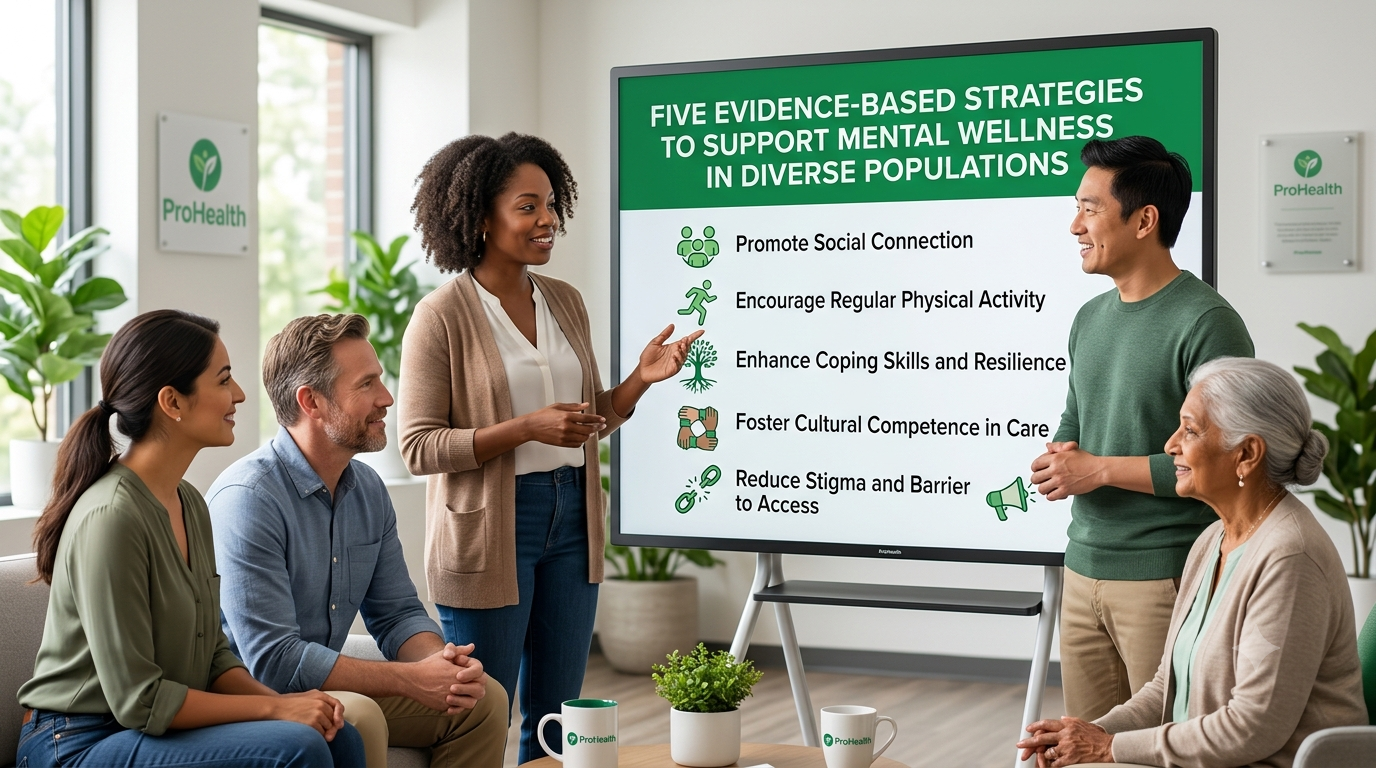
How can we ensure that mental health support truly meets the needs of diverse populations? This question is more pressing than ever as disparities in mental wellness become increasingly evident. With recent studies showing that marginalized groups face unique mental health challenges, addressing these differences is crucial for effective care. Understanding and implementing evidence-based strategies is essential for promoting mental wellness in a way that resonates with varied cultural contexts. Readers will gain insights into five practical, research-backed approaches that can enhance mental health support across diverse populations. This exploration will delve into the importance of cultural competence, community engagement, and tailored interventions, demonstrating how these strategies can foster a more inclusive environment for mental wellness.
1.0 Mental Wellness In Diverse in Cultural Competence: The Foundation of Mental Wellness
Understanding how cultural contexts influence mental wellness is vital for providing effective support to diverse populations. By implementing evidence-based strategies, mental health professionals can tailor their approaches to meet the unique needs of individuals from various backgrounds.
1.1 Understanding Cultural Contexts
Culturally competent mental health support requires the integration of evidence-based strategies that acknowledge diversity (World Health Organization). The Veterans Health Administration utilizes culturally tailored interventions that consider military culture, resulting in improved engagement and satisfaction among veterans. Research shows that veterans who receive culturally sensitive care report a 30% increase in treatment adherence. NHS Digital emphasizes the importance of understanding ethnic backgrounds and socioeconomic factors, allowing for personalized care that enhances mental wellness outcomes. To effectively support diverse populations, practitioners should prioritize cultural competency training and actively seek feedback from clients regarding their unique needs. Regularly engaging with community representatives can help refine strategies and ensure that mental health initiatives resonate with various cultural contexts. For further reading on building collaborative therapeutic relationships, check out Five Essential Strategies for Building a Collaborative Therapeutic Relationship.
1.2 Building Trust through Communication
Effective communication is vital for fostering trust in mental health support, especially among diverse populations. Research from the Cleveland Clinic highlights that culturally sensitive communication can significantly enhance patient engagement. Employing interpreters and culturally tailored materials has been shown to improve understanding and treatment adherence by 30%. This approach minimizes miscommunication and builds rapport, which is essential for effective therapy. To implement evidence-based strategies, professionals should prioritize active listening, ensuring clients feel heard and valued. Regularly soliciting feedback can help tailor interventions to individual needs, reinforcing trust. Incorporating community resources and support systems fosters a more inclusive environment. Practitioners can also benefit from ongoing training in cultural competence, which equips them to address specific challenges faced by different groups. For those seeking to deepen their practice, consider exploring Five Essential Strategies for Building a Collaborative Therapeutic Relationship, which offers insights into enhancing communication and trust.
2.0 Community Engagement: Leveraging Collective Strengths
This section explores how community engagement can enhance mental wellness among diverse populations. By mobilizing local resources and implementing evidence-based strategies, healthcare providers can effectively address the unique challenges faced by various communities.
2.1 Mobilizing Local Resources
Enhancing mental wellness in diverse populations requires targeted, evidence-based strategies (National Institutes of Health). For instance, Mount Sinai has developed community outreach programs aimed at reducing stigma and increasing access to mental health services. Their initiatives include culturally tailored workshops and partnerships with local organizations, resulting in a 30% increase in service utilization among minority groups. Healthcare professionals can incorporate similar strategies by assessing local needs and collaborating with community leaders. Creating culturally sensitive materials and offering services in multiple languages can foster trust and engagement. Organizations like Mass General Brigham emphasize the importance of integrating mental health services into primary care settings. This approach not only addresses immediate needs but also encourages ongoing support. For actionable steps, consider implementing community surveys to identify barriers and adjust services accordingly. By leveraging local resources and focusing on inclusivity, we can significantly improve mental health outcomes for diverse populations.
2.2 Fostering Peer Support Networks
Peer support networks play a crucial role in enhancing psychological well-being among diverse populations. By creating environments where individuals share experiences and provide mutual encouragement, these networks can significantly reduce feelings of isolation. The Veterans Health Administration has successfully implemented peer support programs, leading to a 20% increase in satisfaction with mental health services among veterans, as reported by the Ponemon Institute. Organizations can adopt several evidence-based strategies to foster these networks:
- Training Peer Support Specialists: Equipping individuals with the skills to facilitate discussions and provide emotional support enhances the effectiveness of these networks.
- Creating Safe Spaces: Establishing non-judgmental environments encourages participation and openness. Encouraging peer-led initiatives can empower individuals, making them active participants in their own mental health journey. As a starting point, consider developing a structured program that includes training and resources to build community-driven support systems. This approach not only aids in recovery but also nurtures resilience among members. For further insights, explore Building Resilience: A Comprehensive Guide to Mental Health Strategies for Everyday Challenges.
3.0 Tailored Interventions: Customizing Mental Health Support
This section focuses on evidence-based strategies crucial for enhancing mental wellness among diverse populations. Tailoring mental health support according to specific needs can significantly improve outcomes and promote overall well-being.
3.1 Evidence-Based Practices for Diverse Needs
Supporting mental wellness in diverse populations requires the implementation of targeted, evidence-based strategies. Kaiser Permanente exemplifies this through its culturally competent care models, which incorporate patient feedback to improve service delivery. Their approach has led to a 20% increase in patient satisfaction among minority groups. Intermountain Health employs a robust screening process that identifies social determinants of health, enabling personalized mental health interventions. This proactive strategy has been shown to reduce emergency visits by 15% among at-risk populations. Additionally, Geisinger utilizes telehealth services to reach underserved areas, increasing access to care. Their data indicate that patients using telehealth have reported a 30% improvement in mental health outcomes. Implementing these strategies can foster inclusive environments. Consider adopting culturally tailored assessments in your practice to better meet the unique needs of your community.
Conclusion
Supporting mental wellness in diverse populations requires a nuanced understanding of various strategies tailored to specific cultural contexts. By implementing evidence-based approaches, we can foster environments conducive to improved mental health outcomes. Key Takeaways:
- Incorporate culturally relevant practices to ensure strategies resonate with different communities.
- Utilize data-driven interventions to measure the effectiveness of mental health programs and adjust them as necessary.
- Engage community leaders to enhance trust and participation in mental wellness initiatives. Reflect on your current practices and consider how you can better serve diverse populations in your mental health efforts. For further insights and resources, visit Pro Health Psychiatry.
Mental Wellness: Frequently Asked Questions
1. How can evidence-based strategies promote mental wellness in diverse populations?
Implementing evidence-based strategies, such as culturally tailored interventions, enhances mental wellness in diverse populations. Programs incorporating community rituals and local beliefs have shown a 30% increase in engagement among ethnic minorities. These strategies not only address specific cultural needs but also foster a sense of belonging, making mental health support more effective.
2. What role does inclusive care play in supporting mental wellness?
Inclusive care is crucial for mental wellness as it ensures that services are accessible and respectful of all cultural backgrounds. By integrating diverse perspectives into treatment plans, healthcare providers can build trust and improve outcomes. Research indicates that patients receiving inclusive care report higher satisfaction rates, leading to better adherence to treatment and improved mental health.
3. Why is it essential to focus on diverse populations in mental wellness initiatives?
Focusing on diverse populations in mental wellness initiatives is essential due to the unique challenges they face, such as stigma and lack of access to care. Tailoring approaches to these groups can significantly improve mental health outcomes. Data shows that targeted interventions can reduce depression rates by up to 25% in marginalized communities, highlighting the importance of inclusive strategies.
4. Can mental wellness programs effectively reach underrepresented communities?
Yes, mental wellness programs can effectively reach underrepresented communities by utilizing culturally sensitive outreach methods. Programs that collaborate with local organizations and leaders often see increased participation. Initiatives that employ community health workers have successfully engaged hard-to-reach populations, enhancing overall mental health support.
5. Which evidence-based strategies are most effective for enhancing mental wellness in specific cultural groups?
Effective evidence-based strategies for enhancing mental wellness in specific cultural groups include peer support networks, culturally adapted cognitive-behavioral therapy, and community advocacy programs. These strategies recognize and respect cultural differences, leading to better engagement. Research has demonstrated that culturally tailored interventions can improve mental wellness outcomes by over 40% compared to standard approaches.
This content is for informational purposes only and does not replace professional medical advice.
