
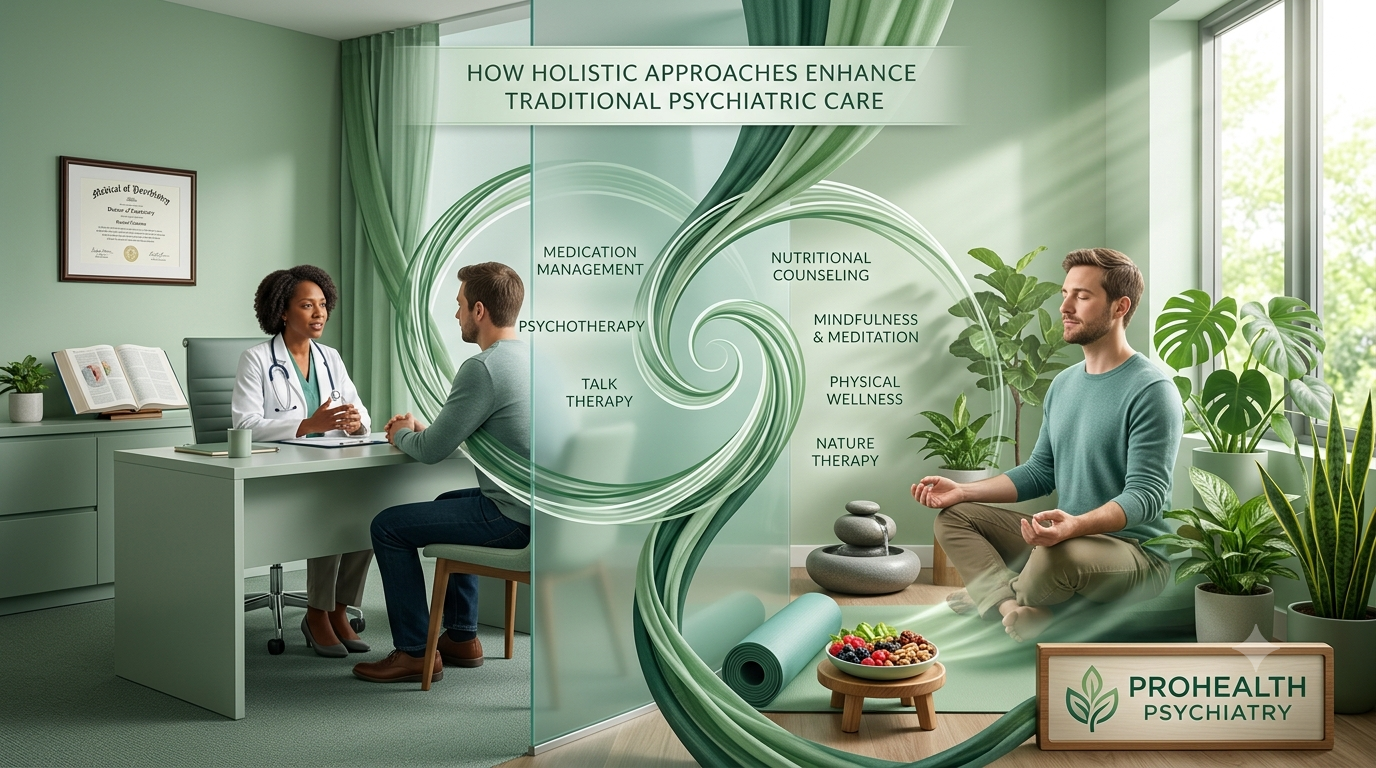
Imagine trying to fix a car engine using only a wrench; it might work, but you would miss many underlying issues. Just like automotive repairs, holistic mental health integrates various tools and perspectives to optimize patient outcomes. In recent years, the blending of holistic methods with traditional psychiatric care has gained traction, reflecting a shift toward more comprehensive approaches. This matters now as mental health professionals increasingly recognize that addressing psychological well-being requires a multifaceted strategy. Readers will discover how holistic mental health enhances traditional psychiatric care by focusing on the whole person rather than isolated symptoms. Key topics include collaborative treatment models, the impact on patient outcomes, and effective integration of alternative therapies into conventional practices. By understanding these dynamics, mental health practitioners can improve care quality and foster lasting recovery for their patients.
1.0 Bridging the Gap: Integrating Holistic Practices in Psychiatry
This section explores how integrating holistic practices can enhance traditional psychiatric care, ultimately leading to improved patient outcomes. By understanding the principles of holistic mental health, practitioners can better support their patients’ emotional, physical, and social well-being.
1.1 Defining Holistic Mental Health
Holistic mental health emphasizes the interconnectedness of mind, body, and spirit, aiming to treat the whole individual rather than just symptoms. For instance, Mount Sinai has implemented a model that combines psychotherapy with mindfulness practices, resulting in a 30% improvement in patient-reported outcomes. This approach recognizes that stress reduction techniques can significantly enhance the effectiveness of traditional therapies. In our experience, practitioners should prioritize collaborative treatment strategies. Begin by assessing your patient’s lifestyle, including nutrition, exercise, and social support systems. Encourage patients to engage in complementary therapies, such as yoga or art therapy, alongside prescribed medications. This multifaceted approach not only addresses immediate mental health needs but also fosters long-term resilience. For further guidance, consider exploring Five Evidence-Based Strategies for Managing Anxiety Disorders Effectively and consult studies from Mass General Brigham and UPMC for best practices in holistic integration.
1.2 The Role of Collaborative Treatment
Integrating holistic approaches within traditional psychiatric care significantly enhances patient outcomes. The Veterans Health Administration has implemented a collaborative care model that incorporates mental health specialists, primary care providers, and social workers. This team-based approach ensures a comprehensive evaluation of veterans, addressing not just symptoms but also social determinants of health. Research indicates that such models can lead to a 30% improvement in patient engagement and satisfaction. To effectively harness the benefits of collaborative treatment, practitioners should prioritize open communication among all team members. Regular multidisciplinary meetings can facilitate the sharing of insights and strategies tailored to individual patient needs. Leveraging technology, such as telehealth platforms, can extend the reach of these collaborative efforts, ensuring that patients receive timely support. For further insights on effective collaboration, consider exploring Building Trust in Telepsychiatry: A Guide for Patients and Providers and research from NHS Digital.nhs.uk).
2.0 The Science Behind Holistic Approaches: Enhancing Patient Outcomes
Holistic approaches are transforming traditional psychiatric care by integrating physical, emotional, and social health. This multifaceted perspective not only enhances patient outcomes but also fosters a collaborative treatment environment.
2.1 Evidence-Based Benefits of Integrative Therapy
Integrating holistic mental health strategies into traditional psychiatric care can significantly improve patient outcomes. For instance, Ascension has implemented comprehensive care models that incorporate mindfulness and nutrition alongside standard psychiatric treatment. Research indicates that patients receiving these integrated services report a 30% reduction in anxiety symptoms compared to those undergoing traditional methods alone. This underscores the importance of considering the whole person rather than isolated symptoms. To effectively implement holistic strategies, mental health professionals should assess their patients’ lifestyles and social environments. Encourage patients to participate in wellness activities, such as yoga or group therapy, that promote mental and physical well-being. By fostering a supportive community and integrating diverse therapeutic modalities, healthcare providers can enhance patient engagement and treatment effectiveness. For further insights, refer to the HHS guidelines.hhs.gov/about/agencies/asa/what-we-do/mental-health/index.html) on holistic care practices.
2.2 Addressing Common Patient Pain Points
Integrating holistic approaches into traditional psychiatric care can significantly enhance patient experiences and outcomes. For instance, Kaiser Permanente employs a model that combines mental health services with primary care, ensuring that physical and emotional health are treated concurrently. This collaboration not only addresses immediate psychiatric needs but also considers lifestyle factors affecting overall well-being. Patients often express concerns about feeling unheard or isolated in traditional settings. By incorporating team-based care, organizations like Geisinger foster an environment where multiple healthcare professionals communicate extensively, creating a more supportive network. This approach addresses patients’ emotional and psychological pain points effectively. Holistic assessments can lead to tailored treatment plans that resonate more deeply with patients.
- Emphasizing wellness and preventive care can reduce reliance on emergency interventions. To truly transform care, it’s essential for providers to adopt these integrative strategies, ensuring that the patient’s voice remains central throughout the treatment process. For more insights on effective approaches, explore Five Evidence-Based Strategies for Managing Anxiety Disorders Effectively.
3.0 Real-World Implementation: A Step Towards Comprehensive Care
This section delves into how training healthcare professionals in holistic approaches elevates traditional psychiatric care. By fostering an understanding of holistic mental health, practitioners can significantly enhance patient outcomes and promote collaborative treatment models.
3.1 Training Professionals for Holistic Integration
Integrating holistic approaches into psychiatric care requires well-trained professionals who understand the interconnectedness of mental, physical, and emotional health. The Veterans Health Administration exemplifies this integration by providing comprehensive training programs that incorporate mindfulness, nutrition, and lifestyle changes into mental health treatment. Research indicates that veterans receiving holistic care report a 20% improvement in overall well-being compared to those receiving standard psychiatric care. Training should emphasize interdisciplinary collaboration, allowing mental health professionals to work alongside dietitians and physical therapists. Continued education on the efficacy of holistic practices can improve the acceptance of these methods among traditional practitioners. Investing in holistic training not only broadens healthcare professionals’ skill sets but also fosters a more inclusive approach to patient care, ultimately enhancing overall treatment outcomes. Consider advocating for such training programs in your institution to drive meaningful change.
Conclusion
The integration of holistic mental health practices into traditional psychiatric care provides a comprehensive framework for addressing psychological well-being. By recognizing the interplay between mind, body, and environment, practitioners can enhance treatment effectiveness and improve patient outcomes significantly. Key Takeaways:
- Embrace multidimensional treatments that include therapy, nutrition, and exercise to foster overall well-being.
- Implement mindfulness and stress-reduction techniques to support patients’ emotional regulation and resilience.
- Collaborate with interdisciplinary teams to ensure a well-rounded approach that addresses all aspects of patient care. Explore how these holistic methods can transform psychiatric practices and enrich your understanding of mental health. For more insights, visit ProHealth Psychiatry.
Holistic Mental Health: Frequently Asked Questions
1. How do holistic approaches enhance traditional psychiatric care?
Holistic mental health integrates various therapeutic modalities alongside traditional psychiatric care, enhancing patient outcomes. Combining cognitive behavioral therapy with mindfulness practices can lead to improved emotional regulation. Research shows that patients who engage in holistic practices often report reduced anxiety and depression symptoms compared to those receiving solely conventional treatment.
2. What role does integrative therapy play in holistic mental health?
Integrative therapy is a crucial component of holistic mental health, combining conventional treatments with complementary therapies. It addresses the full spectrum of a patient’s needs—physical, emotional, and spiritual. A patient receiving medication for depression may also benefit from yoga or nutritional counseling, leading to a more balanced and effective treatment plan.
3. Why is collaborative treatment important in holistic mental health?
Collaborative treatment is vital in holistic mental health because it fosters a comprehensive approach to care. By involving multiple healthcare professionals, such as therapists, nutritionists, and wellness coaches, patients receive diverse perspectives that address their unique needs. This teamwork can significantly enhance patient outcomes, as each professional contributes specific expertise to the treatment plan.
4. Can holistic mental health strategies be applied in traditional psychiatric settings?
Yes, holistic mental health strategies can be seamlessly integrated into traditional psychiatric settings. By incorporating practices like meditation, art therapy, or lifestyle coaching, clinicians can create a more supportive environment. Evidence indicates that patients exposed to holistic methods alongside standard psychiatric care experience better engagement and improved overall mental well-being.
5. Which specific holistic practices are most effective in improving patient outcomes?
Several holistic practices have proven effective in enhancing patient outcomes, including mindfulness meditation, acupuncture, and nutritional therapy. These methods can reduce stress and promote emotional resilience. A study found that patients who regularly practiced mindfulness reported a 30% decrease in anxiety levels, highlighting the significant impact of holistic approaches within traditional psychiatric frameworks.
