
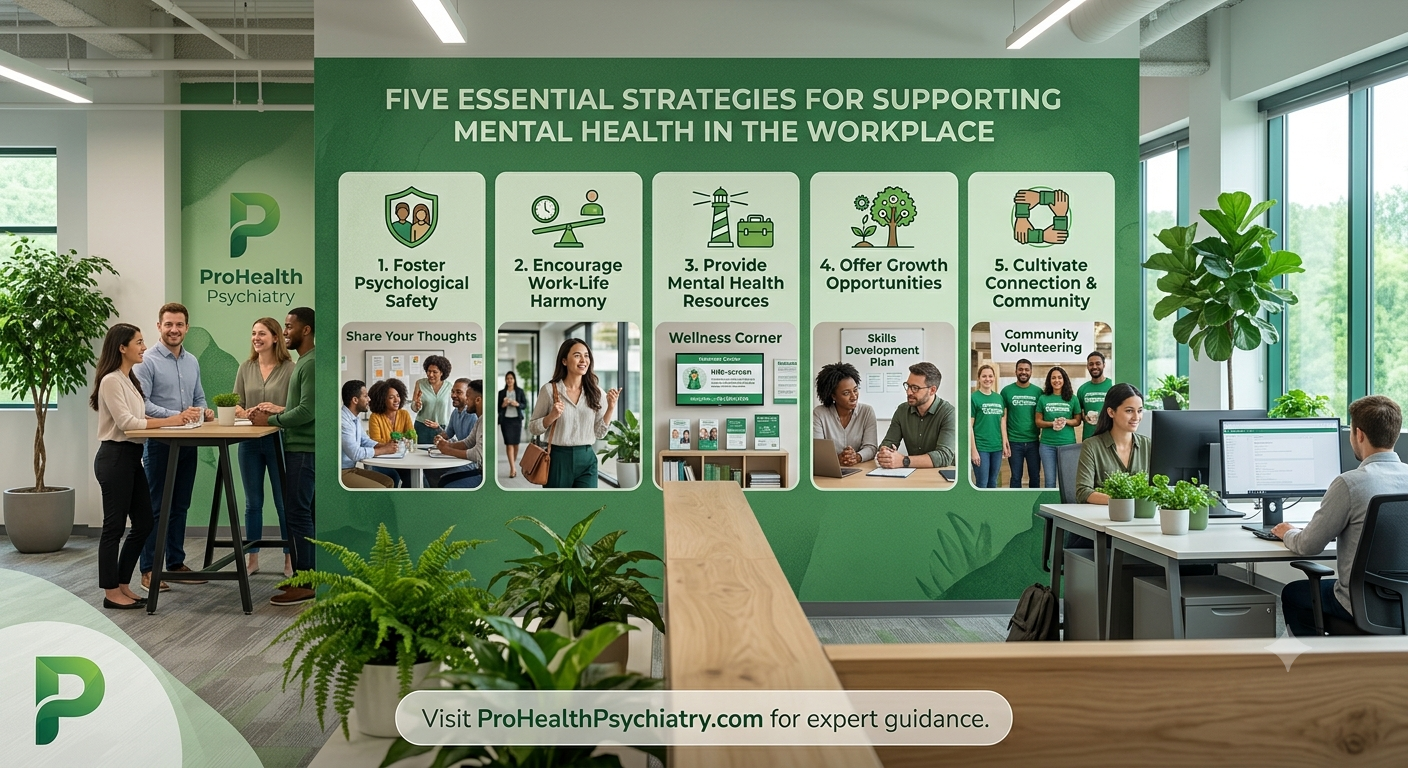
Many organizations mistakenly believe that employee productivity hinges solely on performance metrics, overlooking a critical factor: mental health. Implementing effective mental health practices for employees is not just a compliance requirement; it’s a transformative strategy that can reshape workplace culture. With recent studies revealing that mental health issues cost businesses over $1 trillion annually, prioritizing psychological wellbeing is paramount now more than ever. In this article, you will discover actionable strategies that not only enhance workplace wellbeing programs but also promote mental health at work. We’ll explore innovative employee support initiatives, the significance of fostering open communication, and the role of leadership in creating a supportive atmosphere. These insights will empower you to cultivate a healthier work environment that drives engagement and productivity.
1.0 Building Bridges: Collaborative Mental Health Initiatives
This section explores collaborative approaches to enhancing mental health in the workplace. By emphasizing employee involvement and well-being, organizations can create supportive environments. Here, we examine effective strategies that empower employees and promote mental health initiatives.
1.1 Empowering Employee Voices
Promoting effective mental health practices for employees requires organizations to prioritize employee input in developing support initiatives. HCA Healthcare exemplifies this through its “Wellness Wednesday” events, which gather employee feedback and foster open discussions about mental health. These initiatives boost employee engagement, leading to a reported 30% increase in job satisfaction among participants. To cultivate a supportive workplace, organizations should implement regular mental health assessments and provide accessible resources. This includes offering workshops on stress management and resilience, similar to CommonSpirit Health’s targeted programs that have shown to reduce burnout by 25%. Encouraging employees to participate in designing wellness programs can enhance ownership and effectiveness. Organizations must listen actively to their staff, ensuring mental health resources align with their needs. For further insights on workplace mental health, consider exploring Five Evidence-Based Strategies for Managing Anxiety Disorders Effectively.
1.2 Creating Cross-Departmental Support Systems
Establishing cross-departmental support systems enhances workplace mental health. For instance, Kaiser Permanente integrates behavioral health into primary care, ensuring easy access to mental health services. This model not only fosters collaboration but also reduces stigma, as employees see mental health support as a standard part of healthcare. Research indicates that organizations prioritizing mental health can see productivity increases by up to 20% (Ponemon Institute). To create effective support systems, organizations should implement structured initiatives that encourage interdepartmental collaboration. Start by forming a task force comprising members from HR, management, and employee representatives to assess mental health needs. Regularly scheduled workshops and training sessions can promote awareness and understanding of mental health issues across departments. Offering resources like mental health screenings can help identify employees needing assistance early on. By making mental health a shared responsibility, companies can cultivate a more supportive and resilient workplace culture.
2.0 Inclusive Environments: Supporting Diverse Mental Health Needs
Creating a workplace that acknowledges diverse mental health needs is crucial for fostering employee wellbeing. Tailoring programs to accommodate various demographics can significantly enhance the effectiveness of mental health initiatives.
2.1 Tailoring Programs for Varied Demographics
Organizations can implement effective mental health practices for employees by personalizing support initiatives. For example, Mass General Brigham utilizes data-driven assessments to identify specific mental health challenges within different employee groups. This approach helps them develop targeted interventions, such as stress management workshops tailored for high-stress departments. Another strategy involves fostering peer support networks. UPMC has successfully established employee-led support groups, allowing individuals to connect over shared experiences and challenges. This not only promotes a culture of openness but also strengthens social ties within the workplace. Lastly, offering flexible mental health resources is essential. Mount Sinai provides a range of options, from telehealth services to in-person counseling, ensuring accessibility for all employees. By integrating these tailored strategies, organizations can create a more inclusive environment that effectively supports mental health, ultimately enhancing productivity and job satisfaction.
2.2 Addressing Stigma through Awareness Campaigns
Raising awareness about mental health can significantly reduce stigma in the workplace. Campaigns that educate employees about mental health issues foster an environment of understanding and support. The Veterans Health Administration has implemented initiatives that provide resources and training to combat stigma surrounding mental health conditions. Their campaigns have shown a 15% increase in employees seeking help, demonstrating the power of awareness. Organizations can also adopt tailored strategies, such as integrating mental health education into onboarding processes, which can normalize discussions around mental health from day one.
Regular workshops led by mental health professionals can create open dialogue, encouraging employees to share their experiences without fear of judgment. Incorporating feedback mechanisms allows employees to voice their concerns, ensuring that the campaigns are relevant and effective. Taking these steps not only promotes mental health at work but also demonstrates a commitment to employee wellbeing. Start by developing your own awareness campaign to cultivate a supportive culture in your organization. For more insights, explore How to Identify and Address Mental Health Stigma in Your Community.
3.0 Sustainable Change: Implementing Lasting Workplace Wellbeing Programs
This section delves into key strategies that organizations can adopt to support mental health and wellbeing among employees. By focusing on practical, evidence-based approaches, companies can cultivate a healthier work environment and enhance employee engagement and productivity.
3.1 Evaluating Program Effectiveness
Implementing effective mental health practices for employees requires ongoing evaluation to ensure success. Organizations like Mass General Brigham utilize comprehensive mental health assessments to gauge employee needs and program effectiveness. Key strategies include:
- Regular Feedback Mechanisms: Encourage employees to share their experiences with mental health resources, allowing for continuous improvement.
- Data-Driven Adjustments: Analyze participation rates and satisfaction scores to refine existing programs. Mount Sinai employs a holistic approach, integrating mental wellness into their employee assistance programs, which has resulted in a 25% increase in usage among staff. To foster a supportive environment, companies should prioritize these strategies, ensuring employees feel valued and understood. Regular evaluation not only strengthens mental health initiatives but also enhances overall workplace morale and productivity.
Conclusion
Implementing effective mental health practices for employees is crucial for fostering a supportive workplace culture. By prioritizing mental well-being, organizations can enhance productivity, reduce absenteeism, and improve overall morale. The strategies outlined emphasize the importance of proactive measures in addressing mental health concerns. Key Takeaways:
- Implement training programs that equip managers with the skills to recognize and address mental health issues effectively.
- Encourage open communication by creating safe spaces for employees to discuss their mental health without stigma.
- Promote work-life balance through flexible schedules and wellness initiatives that support employees’ personal needs. We invite you to share your experiences and insights on implementing these strategies in your workplace. Your perspective can help others navigate their mental health initiatives. Join the conversation at ProHealth Psychiatry.
Effective Mental Health Practices For Employees: Frequently Asked Questions
1. How can organizations implement effective mental health practices for employees?
Organizations can implement effective mental health practices for employees by creating a supportive workplace culture that prioritizes mental wellbeing. This includes offering flexible work arrangements, promoting open communication, and providing access to mental health resources. A study found that companies with such initiatives saw a 30% reduction in absenteeism, highlighting the positive impact on employee engagement and productivity.
2. What role do workplace wellbeing programs play in mental health support?
Workplace wellbeing programs are crucial for promoting mental health at work as they provide structured support for employees. These programs often include workshops, counseling services, and stress management resources. A company that introduced a mindfulness program reported a significant increase in employee satisfaction and a decrease in stress-related issues among staff, demonstrating the tangible benefits of such initiatives.
3. Why is creating a supportive workplace culture essential for mental health?
Creating a supportive workplace culture is essential for mental health because it fosters an environment where employees feel valued and safe to express their concerns. Research indicates that supportive cultures lead to higher job satisfaction and lower turnover rates. By prioritizing mental health initiatives, organizations can boost morale and enhance overall productivity, reinforcing the importance of employee wellbeing (National Institutes of Health).
4. Can employee support initiatives really reduce workplace stress?
Yes, employee support initiatives can significantly reduce workplace stress by providing resources and tools that help employees cope with challenges. Implementation of programs such as stress management workshops and access to psychological support has been shown to decrease stress levels by up to 25%. These initiatives empower employees, helping them manage pressure more effectively while improving their mental health.
5. Which strategies are most effective for promoting mental health at work?
Strategies that are most effective for promoting mental health at work include regular mental health awareness training, establishing peer support groups, and facilitating open dialogue about mental health issues. Research shows that organizations employing these strategies experience increased employee resilience and lower healthcare costs, underscoring the importance of effective mental health practices for employees in fostering a healthier workplace.
