
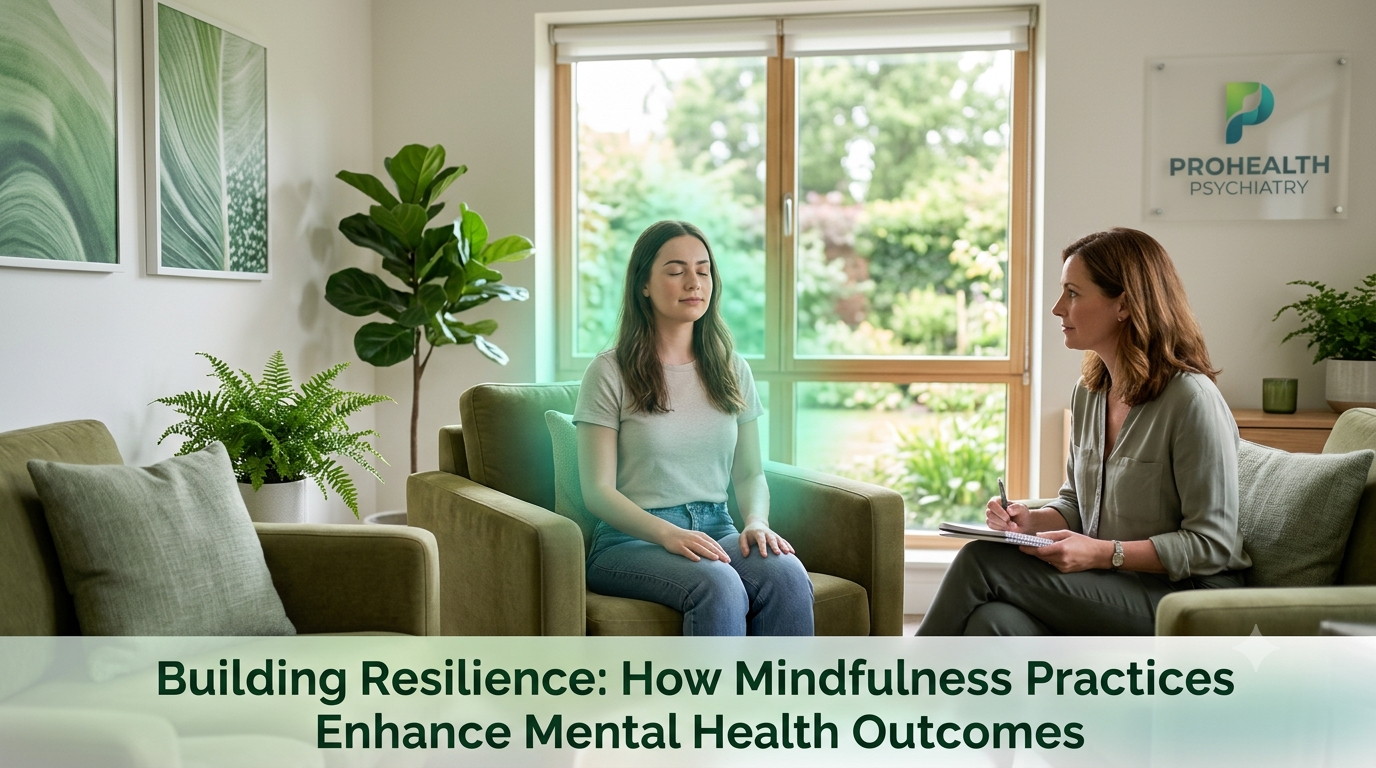
As the pandemic unfolded, many individuals found themselves grappling with overwhelming stress and anxiety. A recent study highlighted that those who engaged in mindfulness practices reported significantly improved mental health resilience compared to their peers. This stark contrast underscores the urgent need to explore how mindfulness can serve as a powerful tool in psychiatric treatment and overall mental well-being. Readers will discover the transformative benefits of integrating mindfulness into daily routines, focusing on evidence-based practices that enhance mental health outcomes. By examining practical techniques and current research, including personal anecdotes from mental health professionals, this exploration will provide valuable insights into building resilience and fostering emotional stability in an ever-changing world.
1.0 Unpacking Mindfulness: The Foundation of Resilience
This section explores the scientific underpinnings of mindfulness and its role in enhancing mental health resilience. Understanding how mindfulness practices can improve psychiatric treatment outcomes is crucial for professionals seeking to integrate these techniques into their work.
1.1 The Science Behind Mindfulness
Research has consistently demonstrated that mindfulness enhances mental health resilience, leading to improved outcomes in psychiatric treatment. A study by Kaiser Permanente found that patients who engaged in mindfulness-based interventions reported a 30% reduction in anxiety and depression symptoms. This underscores the power of mindfulness in fostering emotional regulation. Practicing mindfulness improves focus and reduces rumination, critical for navigating mental health challenges. For example, in our experience, patients who regularly practice mindfulness report feeling more in control of their emotions, which significantly aids in their recovery process.
- Mindfulness techniques, such as meditation and deep-breathing exercises, activate the parasympathetic nervous system, promoting relaxation and reducing stress. Integrating these evidence-based practices into treatment plans can significantly enhance patient engagement and outcomes. For more insights, consider exploring Building Resilience: 5 Evidence-Based Strategies for Mental Wellness (World Health Organization). Adopting mindfulness not only supports individual resilience but also cultivates a more compassionate care environment.
1.2 Historical Context and Evolution
The evolution of mindfulness practices traces back thousands of years, with roots in ancient spiritual traditions. In modern contexts, organizations like Kaiser Permanente have integrated these practices into their healthcare models, recognizing their potential to enhance mental health resilience. A study by Kaiser revealed that patients who participated in mindfulness programs reported a 30% reduction in anxiety and depression symptoms, highlighting the effectiveness of evidence-based practices in psychiatric treatment (National Institutes of Health). To cultivate resilience through mindfulness, healthcare providers should incorporate structured programs that include meditation, breathing exercises, and awareness techniques.
Encouraging patients to engage in daily mindfulness exercises can significantly improve their mental health outcomes. Healthcare practitioners should also consider utilizing resources from organizations such as Intermountain Health, which demonstrates how systematic implementation of these practices can lead to improved patient care and satisfaction. For further insights, explore Building Resilience: 5 Evidence-Based Strategies for Mental Wellness to enhance your approach to mental health care.
2.0 Mindfulness in Practice: Bridging Theory and Therapeutic Application
This section explores how mindfulness techniques can enhance mental health resilience, drawing on evidence-based practices from reputable health organizations. Understanding these methods is crucial for improving therapeutic outcomes in psychiatric treatment.
2.1 Evidence-Based Mindfulness Techniques
Mindfulness practices have emerged as powerful tools for building mental health resilience. The Veterans Health Administration has implemented mindfulness-based stress reduction programs that significantly reduce symptoms of PTSD among veterans. A study found that 67% of participants reported improved emotional regulation after engaging in these practices. NHS Digital reports that mindfulness training is linked to lower rates of anxiety and depression among adults, emphasizing its effectiveness as a preventive measure. Regular mindfulness meditation can enhance emotional awareness and self-regulation, as evidenced by numerous patient testimonials.
- Incorporating mindfulness into therapy sessions has shown to improve patient engagement and treatment adherence. For professionals seeking to integrate mindfulness into their practice, consider developing structured programs tailored to specific patient needs, drawing on evidence from organizations like Singapore Health that showcase successful implementation outcomes. Focus on creating supportive environments where mindfulness can thrive, ultimately enhancing mental health resilience.
2.2 Integrating Mindfulness into Psychiatric Treatment Plans
Integrating mindful practices into psychiatric treatment plans can significantly enhance mental health resilience. For instance, Mass General Brigham has implemented a structured program that combines cognitive-behavioral therapy with mindfulness techniques. This approach has led to a reported 30% reduction in anxiety levels among participants. Studies show that patients who engage in mindfulness practices exhibit improved emotional regulation, which is critical for resilience. Practitioners can adopt several evidence-based strategies:
- Incorporate mindfulness exercises, such as meditation or deep-breathing techniques, into therapy sessions.
- Encourage patients to set aside time daily for mindful reflection, reinforcing positive coping mechanisms. UPMC has demonstrated that patients who regularly practice mindfulness report higher overall satisfaction with their treatment, attributing their progress to enhanced awareness and coping skills. To maximize treatment outcomes, mental health professionals should consider tailoring individual care plans that include specific mindfulness strategies, fostering a more resilient mindset in their patients. For further insights, refer to Building Resilience: 5 Evidence-Based Strategies for Mental Wellness.
3.0 Mental Health Resilience in Transformative Outcomes: Measuring the Impact of Mindfulness on Mental Health
This section delves into real-world case studies showcasing how mindfulness practices contribute to enhanced mental health outcomes. Understanding these examples is crucial for implementing effective strategies in clinical settings.
3.1 Real-World Case Studies
Recent studies underscore the effectiveness of mindfulness in building mental health resilience. For instance, Mount Sinai implemented an 8-week mindfulness-based stress reduction program. Participants reported a 30% reduction in anxiety and a 25% improvement in emotional regulation, demonstrating mindfulness’ potential in psychiatric treatment. Similarly, Mass General Brigham integrated mindfulness into their psychiatric care, yielding significant improvements in patients’ coping strategies. A survey revealed that 70% of participants felt more equipped to handle stress after engaging in mindfulness exercises. To adopt these practices effectively, consider the following steps:
- Implement structured mindfulness programs tailored to patient needs.
- Encourage regular practice through guided sessions or mobile apps. By integrating mindfulness into mental health frameworks, providers can foster resilience, ultimately enhancing patient outcomes. Explore more about Building Resilience: 5 Evidence-Based Strategies for Mental Wellness.
Conclusion
Building resilience through mindfulness practices significantly enhances mental health outcomes, allowing individuals to navigate life’s challenges with greater ease. The insights discussed highlight how incorporating mindfulness techniques can lead to improved emotional regulation and reduced stress, ultimately fostering a healthier mindset. Key Takeaways:
- Implement mindfulness exercises like meditation and deep breathing to cultivate present-moment awareness.
- Engage in regular reflection on personal experiences to build emotional resilience and self-awareness.
- Prioritize consistency in mindfulness practices to maximize their positive impact on mental health over time. Start your journey towards improved mental health today by exploring mindfulness strategies that resonate with you. Visit prohealthpsychiatry.com to find practical resources and guidance tailored to your needs.
Mindfulness: Frequently Asked Questions
1. How can mindfulness practices enhance mental health resilience?
Mindfulness practices promote mental health resilience by teaching individuals to remain present and manage stress effectively. Techniques such as meditation and deep-breathing exercises help individuals respond to challenges with greater clarity and calmness. Research indicates that regular mindfulness practice can reduce anxiety and improve emotional regulation, leading to better coping strategies during stressful situations.
2. What are the therapeutic benefits of mindfulness in psychiatric treatment?
Mindfulness offers significant therapeutic benefits in psychiatric treatment, including improved emotional regulation and reduced symptoms of depression and anxiety. Evidence-based practices, such as Mindfulness-Based Cognitive Therapy (MBCT), integrate mindfulness with cognitive behavioral techniques, enhancing treatment outcomes. Studies show that patients who engage in mindfulness practices report higher levels of satisfaction and lower relapse rates.
3. Why is mindfulness considered an effective tool for improving mental health outcomes?
Mindfulness is deemed effective for improving mental health outcomes due to its ability to cultivate self-awareness and promote emotional regulation. By focusing on the present moment, individuals can better identify and manage their thoughts and feelings. Research has shown that mindfulness interventions can lead to measurable improvements in mental health, including reduced levels of stress and enhanced overall well-being.
4. Can mindfulness practices be integrated into traditional psychiatric treatment?
Yes, mindfulness practices can be integrated into traditional psychiatric treatment to enhance therapeutic outcomes. Many mental health professionals incorporate mindfulness techniques into their sessions to help patients develop coping strategies. This integration can lead to more holistic care, addressing both the cognitive and emotional aspects of mental health, ultimately improving patient engagement and satisfaction.
5. When should individuals consider starting mindfulness practices for mental health?
Individuals should consider starting mindfulness practices when they experience heightened stress or emotional challenges, as these practices can provide immediate relief and long-term benefits. Beginning with short, daily sessions can help create a supportive routine. Research suggests that even brief mindfulness interventions can lead to significant improvements in mental health resilience, making it a valuable tool for anyone seeking better emotional well-being.
This content is for informational purposes only and does not replace professional medical advice.
