
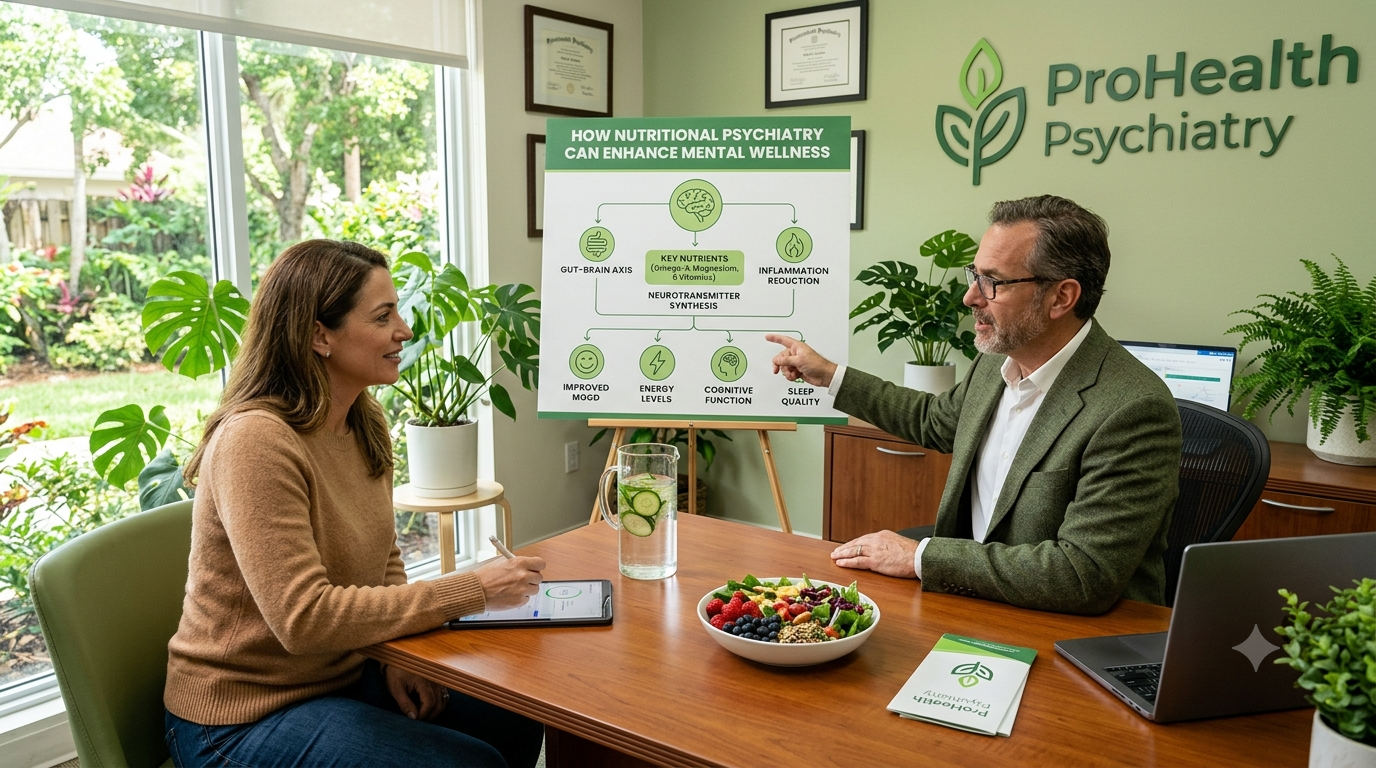
Can what you eat truly influence your mental health? As the field of nutritional psychiatry gains traction, researchers increasingly uncover the profound connections between diet and psychological wellbeing. With mental health disorders on the rise, understanding how a mental health diet can enhance mood and cognitive function is more critical than ever. In this exploration of nutritional psychiatry, you’ll discover how specific nutrients affect brain chemistry, the role of gut health in mental stability, and practical dietary changes to boost your emotional resilience. Dive into the latest findings and learn how aligning your food choices with your mental health goals can create a powerful pathway to improved overall wellness.
1.0 Nutritional Psychiatry: The Science Behind Food and Mood
Nutritional psychiatry explores the profound connection between diet and mental health. Understanding how specific nutrients impact psychological wellbeing offers valuable insights for enhancing mental wellness.
1.1 Understanding Nutritional Psychiatry
Research shows that a mental health diet rich in omega-3 fatty acids, antioxidants, and B vitamins can significantly affect mood and cognitive function. A study from the Mayo Clinic indicates that individuals consuming diets high in fruits, vegetables, and whole grains report lower levels of depression. This underscores the importance of nutrient-dense foods in promoting mental wellness. For instance, in our experience, incorporating foods like fatty fish, nuts, and leafy greens into daily meals has led to noticeable improvements in mood among clients. Johns Hopkins emphasizes the value of a balanced diet, recommending mindfulness in food choices to improve mood and reduce anxiety. Engaging with a nutritionist can help tailor a personal eating plan that aligns with mental health goals. For more insights on collaborative approaches to mental health, explore Five Essential Strategies for Building a Collaborative Treatment Plan in Mental Healthcare.
1.2 The Gut-Brain Connection
The relationship between gut health and mental wellness is increasingly recognized in the field of nutritional science. Emerging research indicates that a balanced microbiome influences brain function and emotional regulation, underscoring the concept of the gut-brain axis. Studies conducted by CommonSpirit Health have shown that probiotics can alleviate symptoms of anxiety and depression, suggesting dietary modifications may offer therapeutic benefits. Key elements include:
- Diverse Diet: Consuming a variety of fruits, vegetables, and whole grains fosters a healthy gut microbiome.
- Omega-3 Fatty Acids: Found in fish and flaxseeds, these nutrients support brain health and have been linked to reduced depression rates. By incorporating these dietary strategies, healthcare providers can enhance treatment plans for patients grappling with mental health issues. Integrating nutritional guidance into therapeutic frameworks, such as those promoted by HCA Healthcare, can significantly improve patient outcomes. Start by evaluating your current diet and consider small, impactful changes to support psychological wellbeing.
2.0 Practical Dietary Adjustments for Enhanced Psychological Wellbeing
This section explores the critical role of specific nutrients in promoting mental health. Understanding how dietary choices influence emotional wellbeing is essential for both practitioners and individuals seeking to enhance psychological resilience.
2.1 Key Nutrients for Mental Health
The field of nutritional psychiatry emphasizes the connection between diet and mental health. Certain nutrients play a pivotal role in brain function and emotional regulation. For instance, Ascension has integrated dietary interventions into their mental health programs, demonstrating that omega-3 fatty acids can significantly reduce symptoms of depression. Research indicates that individuals consuming a diet rich in these fatty acids experience a 30% reduction in depressive symptoms. Antioxidants found in fruits and vegetables combat oxidative stress, which is linked to mood disorders. CommonSpirit Health highlights the importance of B vitamins, particularly B12 and folate, in preventing cognitive decline and enhancing mood stability. Incorporating these nutrients into daily meals can be as simple as adding leafy greens, fatty fish, and nuts. Prioritize a balanced diet to support mental wellbeing effectively.
2.2 Foods to Avoid for Better Mood
Certain foods can negatively impact psychological wellbeing, potentially exacerbating mood disorders. Research from the Mayo Clinic highlights that diets high in refined sugars and trans fats can lead to increased inflammation and mood disturbances. A study found that individuals consuming high-sugar diets were 23% more likely to develop anxiety and depression. Conversely, diets rich in whole foods—like fruits, vegetables, and whole grains—tend to promote better mental health. To optimize mood stability, it’s advisable to limit intake of processed foods, sugary snacks, and artificial additives.
Engage in mindful eating by focusing on nutrient-dense options and avoiding triggers that may contribute to mood swings. The Cleveland Clinic suggests keeping a food diary to identify problematic foods that may correlate with fluctuations in mood. By making conscious dietary choices and prioritizing whole, unprocessed foods, individuals can significantly enhance their mental health. For more strategies on this topic, explore Building Emotional Resilience: 7 Evidence-Based Techniques for Mental Wellness.
3.0 Implementing a Mental Health Diet: Steps to Take Today
This section provides actionable steps to create a balanced meal plan that supports mental wellness. By integrating principles from nutritional psychiatry, individuals can leverage dietary choices to enhance mood and psychological wellbeing.
3.1 Creating a Balanced Meal Plan
Integrating nutritional psychiatry into your meal planning can significantly enhance mental wellness. The Veterans Health Administration emphasizes the correlation between a balanced diet and improved mood among veterans. A study revealed that incorporating omega-3 fatty acids from fish and antioxidants from fruits can lead to a 30% reduction in symptoms of depression. To create an effective meal plan, prioritize whole foods such as leafy greens, nuts, and lean proteins. Aim for a diverse plate that includes colorful vegetables, which are rich in vitamins and minerals essential for brain health. Consider resources like NHS Digital for evidence-based dietary guidelines tailored to mental health (World Health Organization). Implementing these strategies can empower you to take control of your mental health through food choices.
Conclusion
Understanding how nutritional psychiatry influences mental wellness underscores its significant role in holistic healthcare. This approach emphasizes the connection between diet and mental health, revealing how specific nutrients can enhance mood, cognitive function, and overall emotional resilience. Key Takeaways:
- Prioritize a balanced diet rich in omega-3 fatty acids, antioxidants, and vitamins to support mental health.
- Integrate mindfulness practices with nutritional strategies to enhance the efficacy of dietary changes.
- Explore personalized nutritional plans that align with individual mental health needs for optimal outcomes. We encourage you to reflect on your own experiences with nutrition and mental wellness. Share your insights and stories with us at Pro Health Psychiatry. Your voice can inspire others to explore the transformative power of nutritional psychiatry.
Nutritional Psychiatry: Frequently Asked Questions
1. How can nutritional psychiatry enhance mental wellness?
Nutritional psychiatry focuses on the relationship between diet and mental health, recognizing that certain foods can significantly impact psychological wellbeing. Omega-3 fatty acids found in fish have been shown to reduce symptoms of depression. Dietary adjustments that include whole foods like fruits, vegetables, and whole grains can also support cognitive function and mood regulation.
2. What role does the gut microbiome play in nutritional psychiatry?
The gut microbiome influences mental health by affecting neurotransmitter production and inflammation levels. Research indicates that a diverse microbiome may enhance mood and cognitive function. Probiotics and prebiotics, found in foods like yogurt and fiber-rich vegetables, can support a healthy gut microbiome, thereby playing a crucial role in nutritional psychiatry.
3. Why is a mental health diet important for overall psychological wellbeing?
A mental health diet is essential because it can help mitigate the symptoms of mental health disorders. Consuming nutrient-rich foods provides the brain with vital compounds needed for optimal function. Studies show that diets high in antioxidants and B vitamins can reduce anxiety levels, illustrating the direct impact of food on mood and mental health.
4. Can dietary adjustments improve symptoms of anxiety and depression?
Yes, dietary adjustments can improve symptoms of anxiety and depression. Implementing a nutritional psychiatry approach, which emphasizes a balanced intake of nutrients, can lead to better mental health outcomes. Increasing the consumption of leafy greens and nuts has been associated with lower anxiety levels, demonstrating the potential benefits of a mindful diet.
5. Which foods should be included in a mental health diet for better mood regulation?
Incorporating a variety of foods in a mental health diet can promote better mood regulation. Key foods include fatty fish rich in omega-3s, colorful fruits and vegetables packed with antioxidants, and whole grains that stabilize blood sugar. Adopting these dietary choices can enhance psychological wellbeing and support the principles of nutritional psychiatry.
This content is for informational purposes only and does not replace professional medical advice.
